12 Beautiful Attic Conversion Ideas
Introduction
An attic conversion can be the best way to increase useful square footage to your home without having to pay for a full addition. That dusty, unloved space above your head has the potential to become one of the most beautiful and useful parts of your home. Attic conversions are a wonderful way to get a refund. You can usually get back 50–70% of the cost of the project in improved home value, and they also give your growing family the extra room they need.
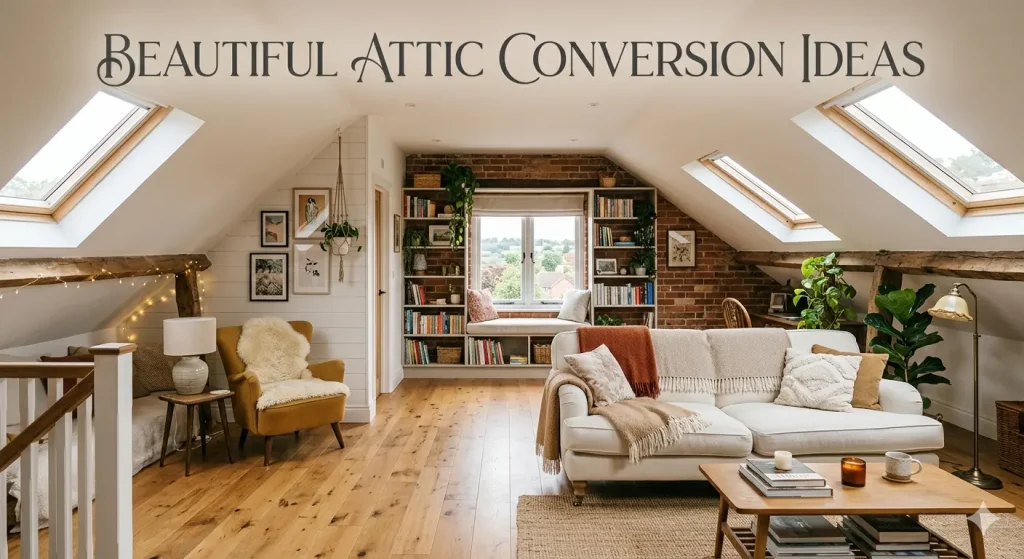
You may turn your attic into a small nook or a huge unfinished space. This can help you with storage, give you a secluded place to relax, or even add a whole new room to your home. Attics have slanted ceilings, exposed beams, and cozy dormers that give them a unique look that is difficult to copy in other parts of your home.
In this complete guide, we’ll look at 12 magnificent attic conversion ideas that show how useful these rooms can be, even though they are generally ignored. You’ll find creative methods to make the most of every square foot of your attic, from calm bedrooms to productive home offices. You’ll also add a beautiful new space to your house.
1. Luxurious Master Bedroom Retreat
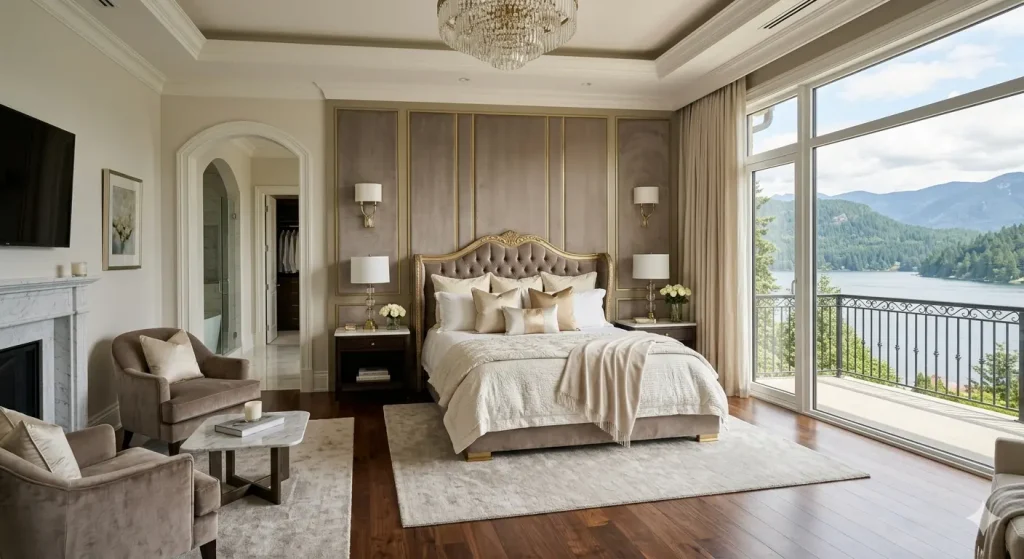
One of the best and most popular ways to improve your home is to turn your attic into a master bedroom suite. This transformation creates a private sanctuary away from the main living areas, offering peace and tranquility at the end of each day.
The slanted ceilings that come with attic rooms make the area feel even cozier and more intimate, which is ideal for a bedroom. To avoid feeling claustrophobic, put your bed against a wall with a full ceiling height. Use the lower ceiling regions for built-in storage or reading nooks. Skylights and dormer windows let in a lot of natural light while keeping your privacy from your neighbors.
If you want to make a real master suite, think about adding a bathroom to the space. A small three-quarter bath with a shower, toilet, and vanity can make your home much more useful and valuable. Use the eaves to make smart built-in dressers and closets that give you more storage space without taking up floor space.
Add elements like heated floors, a dramatic light fixture, and high-quality finishes for the most luxurious experience. Many homeowners put in French doors that open up to a tiny balcony. This makes the area feel bigger by connecting the inside and outside. With the right insulation and climate control, your attic master bedroom can become the most popular room in your house. It’s a private sanctuary that blends comfort, seclusion, and beautiful design.
2. Productive Home Office or Study
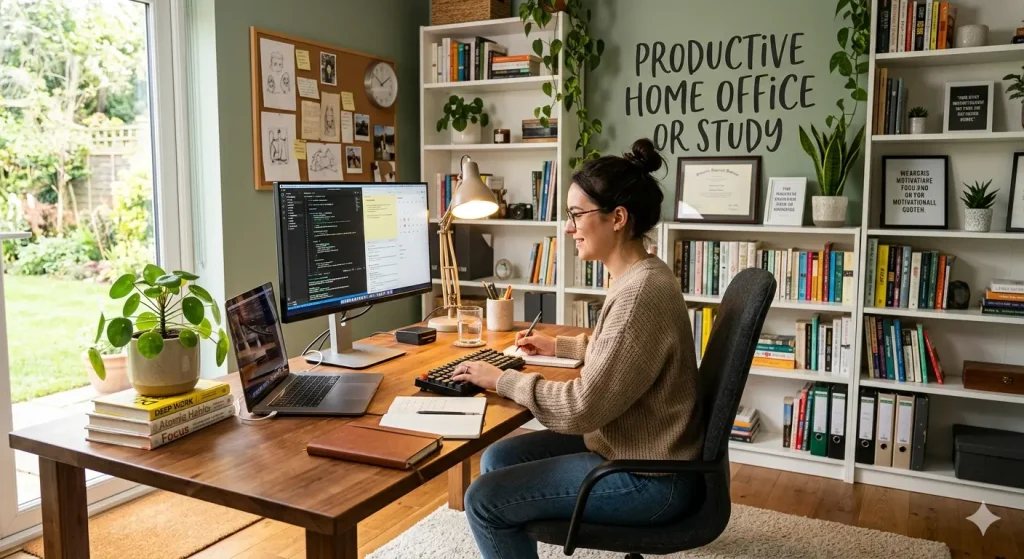
Working from home has become more important than ever, and your attic is the perfect place for a peaceful, creative workspace that is isolated from all the noise and activity in the house.
Attic offices are naturally separate from the rest of the house, which makes it easy to set boundaries between business and home life. Getting enough natural light and good ventilation are the most important things to think about when turning an attic into an office. Put in more windows or skylights to make the space more stimulating and less stressful on the eyes. Put your desk by a window so you may get natural light and see things that inspire you.
The built-in shelves along the slanted walls provide you plenty of room to store books, folders, and office supplies without taking up floor space. Set up a separate area for video chats with a neutral background and excellent lighting. This is crucial for professional virtual meetings. Ensure that you have enough power outlets and data connections for all of your PCs, printers, chargers, and other digital gear.
Since you’ll be there for long periods, it’s vital to keep the attic office cool. To stay comfortable all year long, make sure you have the right insulation, heating, and cooling. Make the area your own by adding personal touches like plants, artwork that inspires you, and comfortable furnishings. A well-designed attic office isn’t just useful; it’s a place to work that makes you more productive and makes working from home pleasurable.
3. Charming Guest Bedroom Suite
Make your attic into a cozy guest suite that makes guests feel like they’re staying in a boutique hotel. An upstairs guest room gives your guests and your family some privacy, which makes long stays more fun for everyone.
Make sure the space is warm and welcoming so that everyone is as comfortable as possible. A comfortable mattress is a must, but you should also think about the little things that make guests feel at home, such as bedside reading lights, a baggage rack, fresh linens, and a small seating area if you have the room. Make the most of the slanted ceilings by making a cozy reading nook with a comfy chair and good lighting.
Add useful things that guests will like, including a full-length mirror, a coffee station with a kettle and supplies, and enough closet space with hangers. If you can, add a tiny bathroom or at least a powder room to give your guests their space. When no one is in the room, it can be used for meditation, crafts, or extra storage.
Pick a color scheme that is neutral and comforting and that most people will like. Soft grays, warm whites, or gentle blues make a room feel peaceful. Throw pillows, blankets, and area rugs may all add warmth and interest to a room by layering textures. With careful planning, your attic guest room can become a place that guests remember warmly and want to come back to.
4. Fun and Functional Kids' Playroom
An attic playroom is a wonderful place for kids to be creative, play, and use their imaginations. It also keeps toys and games out of the main living rooms. Kids frequently think attics are magical and fun because of the slanted ceilings and cozy niches that make them feel like they’re on an adventure.
When making a playroom, safety should come first. Make sure the stairs have the right railings, put guards on the windows, and pad any sharp corners or low beams. Choose flooring that is strong and simple to clean, like foam tiles or low-pile carpet. These types of flooring will protect you against falls and are simple to care for. To keep heavy furniture from toppling over, keep it low to the ground and attach it to walls.
Make separate areas for different hobbies, including a reading nook with floor cushions and a bookcase, an arts and crafts section with a table for kids, and an open space for active play. Built-in storage along the eaves keeps items neat and easy to get while also encouraging kids to pick up after themselves. If the ceiling is high enough, consider putting in a climbing wall, swing, or slide. These are things that will make the playroom really distinctive.
Use bright, happy colors and fun patterns that spark the imagination without being too much. Chalkboard or magnetic paint makes walls that people may use to express themselves. Add both natural and artificial light because attics may not have many windows. As kids become older, the playroom can turn into a place for teens to hang out, play games, or study. This makes it a beneficial long-term investment in your home.
5. Sophisticated Home Library
People who love books, rejoice! An attic conversion is the perfect chance to make the personal library you’ve always wanted—a peaceful place to read, think, and enjoy books.
The small size of attics makes them perfect for libraries. Install floor-to-ceiling built-in bookshelves along the walls, even under the eaves. Custom shelves can follow the roofline, making a stunning and useful architectural feature. Choose high-quality wood treatments that make the space feel warm and elegant.
You need comfortable seating. Think about putting a soft armchair or small sofa near a window so you can read in natural light during the day. For nighttime reading, add a lamp with adjustable brightness. If the ceiling is high enough, a tiny mobile ladder can be both useful and stylish. It makes it easy to reach the upper shelves and makes a design statement.
Climate management is crucial for a library since severe temperatures and humidity can hurt books. Make sure your collection is safe by using the right insulation and maybe a dehumidifier. Use warm lighting, a soft area rug, and maybe a small electric fireplace during the colder months to make the room feel inviting. Put in a tiny desk or writing table where you may write or take notes. Your attic library is more than just a place to store books; it’s a place to relax and a reminder of how important writing is.
6. Creative Art Studio
Artists and crafters require a space that allows them to unleash their creativity without the fear of creating a mess or facing interruptions. An attic conversion is the perfect place for a home art studio.
For an art studio, natural light is essential, so make the most of windows and skylights. Many painters like north-facing windows because they let in steady, indirect light. But any natural light is beneficial. Incorporate effective artificial lighting, such as track lights and task lighting, which can adapt to various projects and times of day.
Choose flooring that is strong and simple to clean so that it can handle paint spills, glue, and other art mistakes. Sealed concrete, vinyl, or flooring made for businesses works nicely. Make sure you have enough room to store your supplies by using open shelving, drawer systems, and separate locations for different types of materials. A big work table in the middle of the room gives you room for your current projects, while wall-mounted fold-down work surfaces provide you more space when you need it.
It is critical to have good ventilation, especially when using paints, solvents, or other compounds that give off fumes. Install the appropriate ventilation systems or ensure that the windows open easily. If your plumbing allows it, add a utility sink. It’s excellent for washing brushes, mixing paints, and other studio activities. Put finished paintings on the walls to keep your creativity going and keep track of your artistic journey. An attic art studio gives every artist the space they need to work on their craft professionally while keeping the creative chaos structured and limited.
7. Relaxing Home Theater or Entertainment Room
Make your attic the best place to hang out by turning it into a private home theater or media room where you and your family and friends can watch movies, play games, and relax.
Attics can be excellent places for home theaters. The fact that it is separate from the main living rooms means that sound won’t bother other people. The fact that it is enclosed also helps with acoustics. To keep noise in and improve audio quality, start by soundproofing the area. To get the best sound, use heavy curtains, insulation, and acoustic panels.
If the ceiling is high enough, put in tiered seats so that everyone can see the screen clearly. Recliners that are comfortable or a sectional sofa with cup holders make you feel like you’re in a real theater. Put a big screen or projector on a wall with a full ceiling height, making sure that everybody can see it from where they are sitting. Get a quality sound system. The sound is equally as vital as the picture.
Use dimmable lights and blackout blinds that block outside light during the day to carefully control the illumination. For safety while the main lights are off, put LED strip lights around stairs and pathways. Include space for media collections, gaming gear, and more. A tiny bar area or popcorn station makes the theater feel more like a real place.
With smart home integration, you may use one remote or smartphone app to control the lights, temperature, and media. Your attic home theater may be the best place for family movie nights and big game watch parties if you keep the temperature right and make sure the furniture is comfortable.
8. Personal Fitness Studio
You don’t need a gym membership. Instead, make a private fitness studio in your attic. This will be an area just for exercise, yoga, and wellness that you can use whenever you want.
The first thing to think about is how strong the structure is. Fitness equipment can be heavy, and jumping or doing exercises with a lot of impact might cause vibrations. Talk to a structural engineer to make sure that the weight and activity level you want to put on your attic floor can handle it. Before starting the conversion, make sure the joists are strong enough.
Put down flooring that absorbs shock, such as rubber tiles or thick foam mats. These will preserve your joints while you work out and keep noise from getting to the rooms below. Mirrors on one wall make the room feel bigger and let you evaluate your form while you work out. Make sure the ceiling is high enough for things like jumping jacks, overhead presses, and using equipment like rowing machines.
An exercise environment needs to have good ventilation. To keep the temperature comfortable while you work out hard, put in ceiling fans or a separate HVAC system. Windows and skylights let in natural light and fresh air, which makes the space feel more alive. Add a sound system so you may listen to music that makes you want to work out or watch fitness sessions online.
With wall-mounted racks for weights, hooks for resistance bands, and storage cubbies for yoga mats and supplies, you can easily organize your equipment. If you have the room, set aside one area for cardio machines and another for yoga or strength training. Put a small fridge in there for cool drinks and nutritious food. Install a TV or iPad on the wall to follow along with virtual classes. Your attic fitness studio makes it easy, private, and motivating to stick to a regular workout schedule without ever leaving home.
9. Serene Meditation or Yoga Room
Having a separate place for mindfulness, meditation, and yoga is a luxury that pays off in both mental and physical wellness in our busy society. The fact that an attic is separate from the active house makes it perfect for this quiet function.
For a meditation area to work, it needs to be simple and peaceful. Pick a simple pattern with gentle whites, pastel blues, sage greens, or warm neutrals that help you relax. Get rid of everything you don’t need and make the area feel big and calm. This will help you think more clearly and focus.
Natural light is important for keeping your circadian rhythms in check and connecting with nature. Large skylights are great because they let you see the sky and trees while still keeping your privacy. Put up sheer curtains when you wish to make the light softer. Attics sometimes have slanted ceilings that make you feel like you’re in a cave, which adds to the impression of retreat.
The floor should be suitable for sitting, lying down, or doing yoga. Bamboo, cork, and wide-plank hardwood are all great natural surfaces that can be used with meditation cushions or yoga mats on top as needed. Put built-in storage along the eaves for props like blocks, bolsters, straps, and blankets. This will keep things out of sight while not in use but still easy to get to.
Think of adding things that make meditation easier, like a tiny fountain for calming water sounds, essential oil diffusers for aromatherapy, singing bowls, or a small altar for special items. You may change the mood by using soft, warm lighting and dimmer controls. Some folks put up a sound system so they may listen to guided meditations or peaceful music. This space should be a break from the digital world, so keep technology to a minimum and out of sight. Your attic meditation room becomes a safe place for you to take care of yourself and find peace and quiet when life gets too much.
10. Stylish Walk-In Closet or Dressing Room
If your main bedroom doesn’t have enough closet space, you can turn the attic next door into a luxury walk-in closet or dressing room that would match high-end stores.
The slanted ceilings that could appear like a problem are actually great for turning into closets. Under the eaves, lower places are great for storing shoes, folded clothes, and accessories. Places with full ceiling height are great for hanging clothes and full-length mirrors. This natural separation of space makes it easy to keep everything in order.
Custom built-ins make the most of every inch of space. Put in double-hang rods for shirts and slacks, separate shoe racks or cubbies, pull-out drawers for accessories, and shelves for folded bags and sweaters. If you have the room, think about putting in a central island with drawers for smaller things like jewelry and watches. Glass-front cabinets show off your favorite things while keeping them clean.
Lighting is quite important in a dressing room since you need to be able to see colors correctly when you choose out clothes. Put in strong overhead lights and task lights in some places. LED strip lights in closets and cabinets make it easier to find things. Add a well-lit room with a mirror for putting on makeup or styling hair.
Include a bench or ottoman with cushions for putting on shoes. A full-length mirror is a must-have. You might want to think about getting a three-way mirror so you can see your clothes from all sides. If you have a lot of handbags, shoes, or accessories, put them on open shelves in a way that looks nice. This will make your closet look like decor. To keep clothes safe from humidity and harsh temperatures, climate control is necessary. A well-organized attic dressing room not only gives you a place to store things, but it also makes getting dressed each day more fun and keeps the bedroom calm and free of clutter.
11. Multi-Purpose Rental Suite or In-Law Apartment
Turning your attic into a separate apartment might help you make money by renting it out or give your aging parents, adult children, or guests who need to stay for a long time a comfortable place to live.
To make a rental unit that is legal, you need to pay close attention to building requirements and zoning laws. In most places, there should be separate entrances, suitable egress windows for emergency escapes, a ceiling height of at least 7.5 feet across at least 50% of the floor area, and full kitchen and bathroom facilities. Before starting this kind of conversion, talk to the people in charge in your area and get the right permits.
Plan a layout that works well and has a bedroom, a small kitchen, a bathroom, and a living area. Open floor plans make tiny spaces feel bigger. A tiny refrigerator, microwave, cooktop, and sink in a kitchenette provide you freedom without needing a lot of plumbing and electrical work. Use appliances that are made to save space in small homes or RVs.
For both your family and the tenants, privacy is essential. Soundproof walls and ceilings keep sounds from moving around. If you can, put in a separate door on the outside with stairs leading up to it. This method isn’t usually practical with attic conversions, though. Make sure the room has its climate control so that people can change the temperature without disturbing the main house.
Choose your furniture carefully, and include pieces that can be used for more than one thing, such as a sofa bed, a drop-leaf table, and an ottoman with storage. Built-in storage makes the most of small spaces. Pick finishes that are neutral, long-lasting, and will appeal to a wide range of tastes. For modern demands, make sure there is high-speed internet and enough power outlets.
Renting out an attic can bring in a lot of money and raise the value of your home. Or, it gives family members who need to be close but want to be independent a comfortable, respectable place to live. This is a win-win option that many modern families need.
12. Inspiring Music Studio or Practice Room
Musicians require a dedicated space to practice, record, and create music without disturbing others or facing interruptions. An attic music studio is excellent for musicians since it has soundproofing that keeps sounds from mixing.
Soundproofing is the most important thing in a music studio. Sound isolation costs a lot of money, but making smart changes can make a big difference. Add more insulation to the walls and ceilings, put up acoustic panels, use solid-core doors with weather stripping, and cover rough surfaces with sound-absorbing materials like heavy curtains, rugs, and upholstered furniture. These steps keep sound inside the studio and improve the acoustics.
Maintaining the temperature and humidity is crucial to protect instruments from potential damage caused by fluctuations in these factors. With the right HVAC systems and a dehumidifier or humidifier when needed, you can keep the conditions consistent all year round. Keep equipment out of direct sunlight and away from heat sources.
Make the layout fit your musical demands. Put keyboards, mixing boards, or recording gear against walls with full ceiling height. Set up a performance space that is far enough away from the recording equipment to keep noise from getting in the way. To avoid tripping breakers while using amplifiers and sound equipment, make sure there are enough electrical outlets and separate circuits for them.
Instruments, sheet music, wires, and accessories all need a place to store them. Built-in shelves and cabinets maintain neatness and safety. Incorporate comfy chairs for extended practice sessions and adjustable lighting for various tasks. For example, use bright light for reading music and softer light for recording or performing.
Think about how it looks as well as how it works. Many musicians say that being in a creative setting helps them be more creative. Put your favorite instruments on wall mounts, hang up music-themed paintings, or paint an accent wall in a color that makes you feel wonderful. Your attic music studio is more than just a place to practice; it’s a safe place for creativity to grow and musical talents to improve.
Planning Your Attic Conversion: Essential Considerations
Before starting any attic conversion project, you need to carefully think about a few practical things to make sure it goes well.
Not all attics can be turned into something else; therefore, you need to check the structure first. If you’re going to put heavy things like bathtubs, gym equipment, or big built-ins in your attic, you should hire a structural engineer to check how much weight it can hold. Floor joists may need to be strengthened to hold life loads, like people and furniture, instead of only dead loads, like insulation and storage.
Building Codes and Permits: Most attic conversions need permits and must follow building codes for things like ceiling height, egress windows, stairs, fire safety, and structural integrity. Working with qualified professionals who know the rules in your area will help you avoid expensive mistakes and make sure your conversion really adds value to your property.
Access and Stairs: Good access is essential. Pull-down attic ladders aren’t enough for living spaces; you’ll need real stairs with the right rise, run, and headroom. Putting in stairs can be hard and might mean giving up space in the room below. If you don’t have a lot of space, think about spiral stairs or ship ladders as inventive ways to go around.
Attics have to deal with dramatic temperature changes. In the summer, they are the hottest area of the house, and in the winter, they are the coldest. It is important to have professional insulation in the walls, ceilings, and floors. Add to your HVAC system in the attic or put in independent climate control. Please remember to ventilate the space well to keep moisture from building up and to keep the air clean.
Natural light and airflow: attics that are dark and stuffy are not appealing. Adding skylights, dormer windows, or gable windows can let in fresh air and natural light. Dormers also make the room more useful by adding spaces with full ceiling height, although they are expensive to build on the outside of the house.
Electrical and Plumbing: Make sure you plan your electrical needs thoroughly. Modern living demands many outlets, separate circuits for some gadgets, and different lighting options. Adding a bathroom or kitchen complicates plumbing. Running water and drain lines to an attic takes a lot of planning and can be costly, especially if the main plumbing stack is on the other side of the home.
Be realistic about your budget: Converting an attic usually costs between $50,000 and $100,000 or more, depending on the size, finishes, and difficulty of the job. Adding a bathroom or a dormer or making structural changes all raise expenses by a lot. Get quotations from many qualified contractors and add 15–20% for unexpected problems. Old houses typically have surprises that come up when work starts, such as outdated wiring or hidden water damage, which can significantly increase renovation costs.
Maximizing Your Attic Conversion Investment
Quality Over Quantity: Instead of making a big, unfinished space, focus on finishing a smaller area with high-quality materials and work. A smaller, well-executed conversion holds greater value than a larger, poorly executed area.
Design with the future in mind, allowing for potential changes. The nursery you have today will be your home office or guest room tomorrow. Pick finishes that are neutral and layouts that can vary as your needs change without requiring significant changes.
Built-in storage makes the most of the uncomfortable spaces that sloped ceilings create. It adds usefulness without taking up floor space. Custom solutions may cost more initially, but they are worth more in the long run than ill-fitting furniture, as they can enhance the overall functionality and aesthetic of the space while potentially increasing the property’s value.
Energy Efficiency: Buy quality insulation and windows that use less energy, and make sure everything is sealed properly. You will get back the money you spent up front through decreased utility expenses and better comfort. If the area is uncomfortable, people won’t use it, resulting in a complete waste of your investment.
Get Professional Help: Converting an attic can save you money, but it needs a lot of complicated structural, electrical, and sometimes plumbing work that only a professional can do. Fixing mistakes can be costly and risky. For big jobs, hire skilled professionals. Please consider completing the finishing touches yourself, such as painting and decorating.
Conclusion
Converting your attic is a wonderful way to add more space to your home, raise its value, and make beautiful, useful rooms that fit your needs. Your attic has untapped potential just waiting to be revealed, whether you want a calm bedroom hideaway, a productive home office, a fun playroom, or any of the other ideas we’ve talked about.
The best attic conversions find a mix between what looks good and what is practical, such as making sure the structure is sound, following building codes, controlling the temperature, and making it easy to get to. Many homeowners believe the investment is worthwhile because the rewards, both financially and in quality of life, are high. The most important things are to plan everything out carefully, set a realistic budget, and hire specialists who know what they’re doing to make your idea come true securely and beautifully.
Your attic doesn’t have to stay a dusty storage space full of boxes you don’t remember. With some ingenuity, careful planning, and smart spending, it may become one of the most beautiful, valued, and treasured areas in your home. Attics have slanted ceilings, cozy corners, and unusual angles that make them unique and charming. Standard rooms just can’t compare.
While you think about which of these 12 magnificent attic conversion ideas fits your needs and way of life, keep in mind that the best conversion is one that solves a problem or meets a real need. Your attic can give you more bedroom space, a place to work, a fitness studio, or just a wonderful place to get away from the chaos of everyday life.
Begin by considering the potential uses for your attic, consulting experts to assess the feasibility of your ideas, and allowing your imagination to explore the possibilities for this space. It’s time to look up and see all the possibilities that have been hiding over your head all along. Your perfect attic conversion is waiting.