13 Powerful Indoor Plant Ideas to Purify the Air
Transform your living space into a fresh, clean sanctuary with these incredible air-purifying houseplants that work around the clock to keep you healthy.
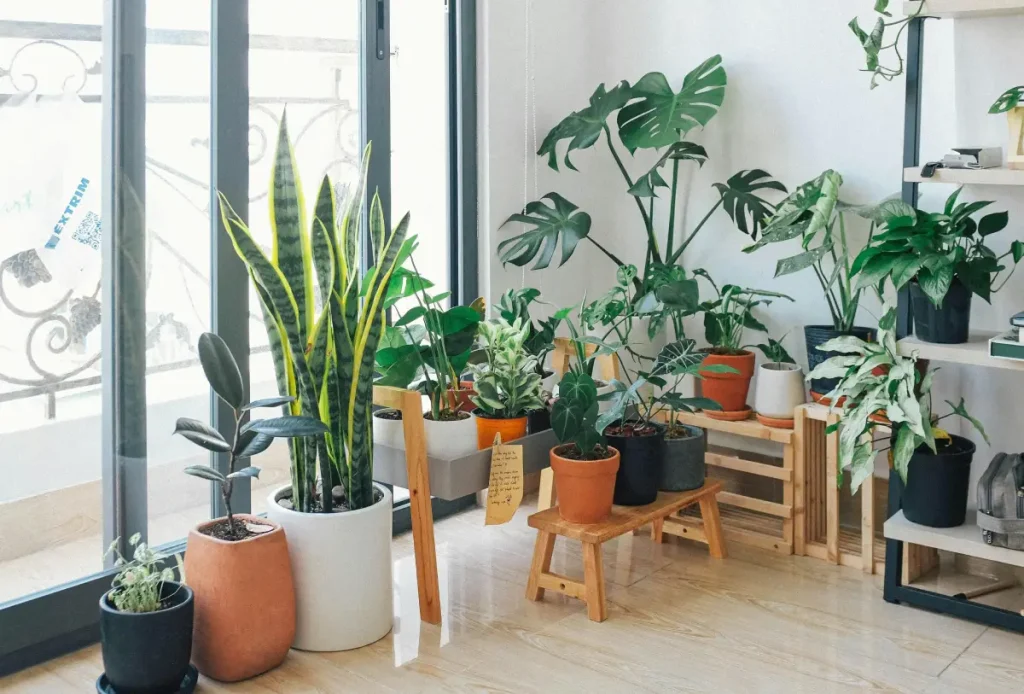
We spend roughly 90% of our lives indoors. That’s a staggering number when you stop and think about it. And here’s the part that might surprise you—the air inside your home can be two to five times more polluted than the air outside, according to the Environmental Protection Agency (EPA).
Furniture, cleaning products, paint, carpets, and even the devices we use daily release invisible chemicals known as volatile organic compounds (VOCs) into our indoor air. Formaldehyde, benzene, trichloroethylene, xylene, and ammonia are just a few of the common toxins floating around your living room right now.
So what can you do about it?
Sure, you can invest in expensive air purifiers with HEPA filters. But there’s a more natural, more beautiful, and surprisingly effective solution sitting on the shelves of your local garden center.
Indoor plants.
Back in 1989, NASA conducted a groundbreaking Clean Air Study that revealed certain houseplants can naturally remove toxic agents from the air. The plants absorb harmful gases through their leaves and roots, and the microorganisms living in the soil also play a significant role in neutralizing VOCs.
Since then, countless studies have reinforced these findings, and the world has embraced indoor plants not just as decorative accessories but as genuine tools for healthier living.
In this article, we’ll walk you through 13 powerful indoor plant ideas that purify the air in your home. We’ll cover what makes each plant special, what toxins it removes, how to care for it, and where to place it for the best results. Whether you’re a seasoned plant parent or a complete beginner, there’s something on this list for you.
Let’s breathe easier, naturally.
1. Snake Plant (Sansevieria trifasciata)
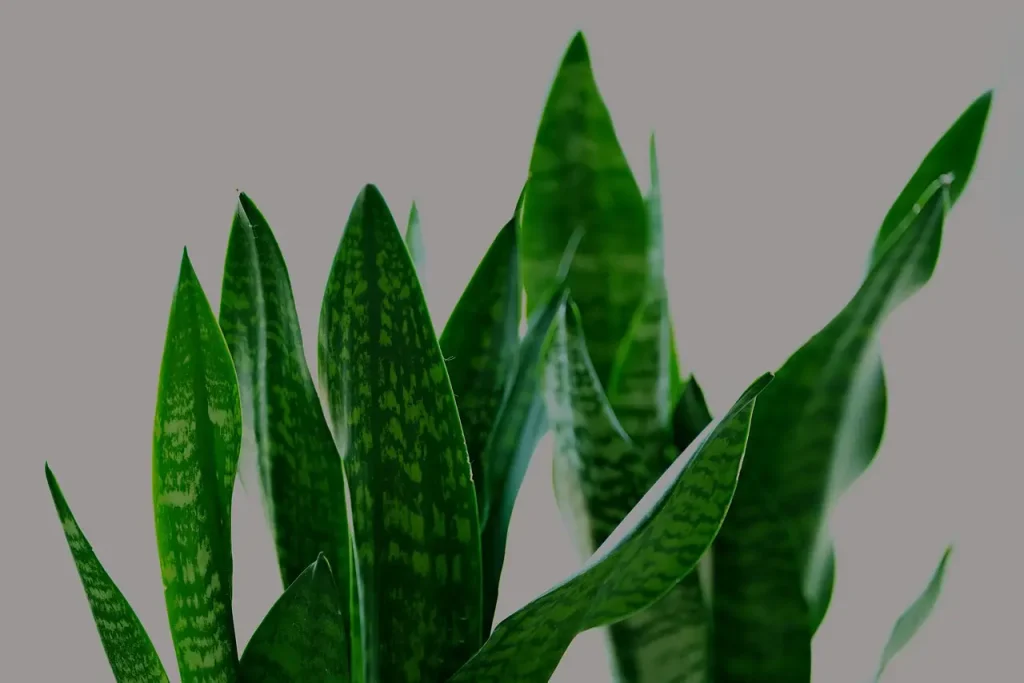
If you could only pick one air-purifying plant for your home, the snake plant would be a strong contender. Sometimes called “Mother-in-Law’s Tongue” because of its sharp, upright leaves, this West African native is practically indestructible—and that’s not an exaggeration.
What makes it special: The snake plant is one of the few houseplants that converts carbon dioxide into oxygen at night. Most plants do this during the day through photosynthesis, but the snake plant uses a special type of photosynthesis called Crassulacean Acid Metabolism (CAM), which means it continues working while you sleep. This makes it an ideal bedroom companion.
Toxins removed: formaldehyde, benzene, xylene, toluene, and trichloroethylene.
Care tips: Snake plants thrive on neglect. Water them every two to three weeks, allow the soil to dry completely between waterings, and place them in indirect light. They can tolerate low light conditions, though they grow faster with brighter exposure. Overwatering is the quickest way to kill them, so when in doubt, wait another few days.
Best placement: Bedrooms, bathrooms, and home offices.
2. Peace Lily (Spathiphyllum)
There’s something about a peace lily that immediately makes a room feel calmer. With its glossy dark green leaves and elegant white blooms, this plant brings a sense of serenity wherever it goes. But don’t let its gentle appearance fool you—the peace lily is a fierce air purifier.
What makes it special: The peace lily topped NASA’s list for removing three of the most common VOCs: formaldehyde, benzene, and trichloroethylene. It also helps combat acetone, alcohols, and ammonia. Beyond purifying the air, peace lilies naturally increase humidity levels, which can be beneficial during dry winter months when indoor heating dries everything out.
Toxins removed: formaldehyde, benzene, trichloroethylene, ammonia, xylene, and acetone.
Care tips: Peace lilies prefer low to medium indirect light and consistently moist (but not soggy) soil. They’ll tell you when they’re thirsty—their leaves droop dramatically, almost theatrically—but they bounce right back after a good watering. Feed them with a balanced liquid fertilizer once a month during spring and summer.
A word of caution: Peace lilies are mildly toxic to pets and children if ingested, so keep them out of reach or opt for a pet-safe alternative if you have curious cats or dogs.
Best placement: Living rooms, bathrooms (they love humidity), and shaded corners.
3. Spider Plant (Chlorophytum comosum)
The spider plant is the overachiever of the houseplant world. It’s been purifying indoor air since before it was trendy, and it does so with a cascade of arching green-and-white striped leaves that look stunning in hanging baskets.
What makes it special: Spider plants are incredibly efficient at removing carbon monoxide and formaldehyde from indoor air. A single spider plant can purify air in approximately 200 square feet of space. They also produce “spiderettes”—baby plantlets that dangle from the mother plant on long stems—making them wonderfully easy to propagate and share with friends.
Toxins removed: formaldehyde, carbon monoxide, and xylene.
Care tips: These plants are nearly impossible to kill. They tolerate a wide range of conditions, from bright indirect light to semi-shade. Water them moderately and let the soil dry between waterings. Brown tips on the leaves usually indicate fluoride in your tap water—switch to filtered or distilled water, and the problem typically resolves.
Best placement: Kitchens, living rooms, and anywhere you can display them in a hanging basket.
4. Boston Fern (Nephrolepis exaltata)
If you’ve ever walked through a lush forest and noticed the ferns growing along the trail, you already know the kind of fresh, clean energy they bring. The Boston fern captures that same feeling and brings it right into your home.
What makes it special: Boston ferns are natural humidifiers. They absorb moisture through their fronds and release it back into the air, making them perfect for anyone dealing with dry skin, dry eyes, or respiratory issues. They’re also excellent at removing formaldehyde, which is commonly found in grocery bags, waxed papers, paper towels, and pressed-wood furniture.
Toxins removed: formaldehyde and xylene.
Care tips: Boston ferns need consistent moisture and humidity. Mist them regularly, especially during winter, and keep the soil evenly damp. They prefer indirect light and cool temperatures between 60 and 75°F (15-24°C). They can be a bit high-maintenance compared to other plants on this list, but the payoff in air quality and aesthetics is well worth the effort.
Best placement: Bathrooms, kitchens, and shaded porches.
5. Aloe Vera (Aloe barbadensis miller)
You probably already know aloe vera as the go-to remedy for sunburns and skin irritations. But this succulent does double duty as an effective air purifier, making it one of the most practical plants you can own.
What makes it special: Aloe vera helps clear formaldehyde and benzene from the air—chemicals commonly found in household cleaners and paint. It also acts as an air quality monitor of sorts. When the amount of harmful chemicals in the air becomes excessive, the plant’s leaves develop brown spots, giving you a visual warning that your indoor air quality needs attention.
Toxins removed: formaldehyde and benzene.
Care tips: Aloe vera loves bright, indirect sunlight and well-draining soil. Use a cactus or succulent potting mix and a pot with drainage holes. Water deeply but infrequently, allowing the soil to dry completely between waterings. In winter, reduce watering to once every three to four weeks.
Best placement: Kitchen windowsills (where you can easily snip a leaf for burns), sunny bedrooms, and home offices.
6. Rubber Plant (Ficus elastica)
With its thick, glossy, dark green leaves, the rubber plant makes a bold statement in any room. It’s a member of the fig family and can grow quite large indoors—sometimes reaching eight feet or more with proper care.
What makes it special: Rubber plants are powerhouses when it comes to removing toxins, particularly formaldehyde. Their large, broad leaves give them more surface area to absorb contaminants and convert carbon dioxide into oxygen. They’re also relatively low-maintenance for a plant of their size, making them a great option for anyone who wants maximum impact with minimal effort.
Toxins removed: formaldehyde, carbon dioxide, and various airborne bacteria.
Care tips: Rubber plants prefer bright, indirect light but can adapt to lower light conditions. Water when the top inch of soil feels dry, and wipe the leaves occasionally with a damp cloth to remove dust and help the plant breathe. Avoid placing them in drafty areas or near heating vents.
Best placement: Living rooms, entryways, and large open spaces where they have room to grow.
7. English Ivy (Hedera helix)
English ivy is a classic climbing plant that brings a touch of old-world charm to any space. It looks beautiful trailing from shelves, cascading from hanging baskets, or climbing a small indoor trellis. But beyond its visual appeal, English ivy is a serious air purifier.
What makes it special: Studies have shown that English ivy can reduce airborne mold spores by up to 78% in just 12 hours. This makes it particularly valuable for anyone with allergies, asthma, or other respiratory conditions. It’s also effective against formaldehyde, benzene, and even airborne fecal particles—yes, really—making it a smart choice for bathrooms.
Toxins removed: formaldehyde, benzene, trichloroethylene, xylene, toluene, and airborne mold.
Care tips: English ivy prefers cool temperatures and moderate to bright indirect light. Keep the soil consistently moist but not waterlogged. It appreciates occasional misting, especially in heated indoor environments. Watch out for spider mites, which tend to target ivy—regular misting helps prevent infestations.
A word of caution: English ivy is toxic to pets and children if ingested, so hang it high or place it out of reach.
Best placement: Bathrooms, bedrooms, and any room where mold might be a concern.
8. Bamboo Palm (Chamaedorea seifrizii)
The bamboo palm brings a tropical, resort-like vibe to your home while quietly scrubbing the air clean. With its clusters of slender stems and feathery fronds, it’s easy to see why this plant has been a favorite among interior designers for decades.
What makes it special: The bamboo palm scored exceptionally high in NASA’s Clean Air Study for its ability to filter benzene, formaldehyde, and trichloroethylene. It’s also a natural humidifier, releasing moisture into the air and making dry indoor environments more comfortable. Unlike many tropical plants, it doesn’t require direct sunlight, making it suitable for rooms with limited natural light.
Toxins removed: formaldehyde, benzene, trichloroethylene, xylene, and carbon monoxide.
Care tips: Place your bamboo palm in bright, indirect light and water it when the top inch of soil feels dry. It prefers temperatures between 65 and 80°F (18-27°C) and appreciates occasional feeding with a balanced fertilizer during the growing season. Keep an eye out for spider mites and mealybugs.
Best placement: Living rooms, home offices, and bedrooms.
9. Golden Pothos (Epipremnum aureum)
Sometimes called “Devil’s Ivy” because it’s nearly impossible to kill, golden pothos is the perfect plant for beginners who want to dip their toes into the world of air-purifying houseplants. Its heart-shaped, variegated leaves trail beautifully from shelves and hanging baskets, adding life to even the most neglected corners.
What makes it special: Golden pothos is exceptionally effective at absorbing formaldehyde, which is found in everything from car exhaust fumes (which can seep into garages and attached homes) to common household items. It grows quickly, is incredibly forgiving of irregular watering, and thrives in conditions that would kill most other plants.
Toxins removed: formaldehyde, benzene, xylene, toluene, and carbon monoxide.
Care tips: Pothos tolerates low light, bright indirect light, and everything in between. Water when the soil feels dry, and it’ll reward you with vigorous growth. Trim it back if it gets leggy, and pop the cuttings in water to root new plants. It’s that easy.
A word of caution: Pothos is toxic to pets if ingested, so keep it elevated or in rooms your pets don’t frequent.
Best placement: kitchens, bathrooms, garages, and basements.
10. Dracaena (Various species)
The Dracaena family is large and varied, offering options for every taste and space. From the tall, tree-like Dracaena marginata (Dragon Tree) to the compact, colorful Dracaena fragrans (Corn Plant) and the striking Dracaena reflexa (Song of India), there’s a Dracaena for everyone.
What makes it special: Dracaenas are among the most effective plants at removing trichloroethylene, a chemical commonly found in dry cleaning solvents, adhesives, paint removers, and spot cleaners. They also tackle formaldehyde, benzene, and xylene. With over 40 different species to choose from, you can create an entire air-purifying collection using Dracaenas alone.
Toxins removed: trichloroethylene, formaldehyde, benzene, xylene, and toluene.
Care tips: Most Dracaenas prefer bright, indirect light but tolerate lower light conditions. They’re sensitive to fluoride, so use distilled or filtered water and avoid potting soils with perlite (which contains fluoride). Water when the top half of the soil is dry. Brown leaf tips are common and usually just cosmetic—trim them with clean scissors.
Best placement: Living rooms, home offices, hallways, and bedrooms.
11. Chinese Evergreen (Aglaonema)
The Chinese evergreen has been cultivated as an ornamental plant in Asia for centuries, and it’s long been considered a symbol of good luck. Lucky for us, it also happens to be a phenomenal air purifier.
What makes it special: Chinese evergreens become more effective at filtering toxins the longer they’re exposed to them. Over time, they essentially “get better” at their job. They come in a stunning array of colors and patterns—from deep green to silver, pink, and red—making them as visually appealing as they are functional. They’re also remarkably tolerant of low light and inconsistent watering, making them ideal for beginners.
Toxins removed: formaldehyde, benzene, carbon monoxide, and various VOCs.
Care tips: Chinese evergreens prefer low to medium indirect light and warm temperatures above 60°F (15°C). They don’t like cold drafts or sudden temperature changes. Water when the top two inches of soil are dry, and mist occasionally to boost humidity. Feed with a diluted liquid fertilizer once or twice during the growing season.
Best placement: Bedrooms, living rooms, and offices with limited natural light.
12. Areca Palm (Dypsis lutescens)
Often called the “butterfly palm” because of the way its fronds arch gracefully outward like butterfly wings, the areca palm is one of the most popular decorative palms in the world. It’s also one of the best natural air purifiers you can bring into your home.
What makes it special: The areca palm is renowned for its ability to remove formaldehyde, xylene, and toluene from indoor air. But what truly sets it apart is its incredible humidifying capacity. A mature areca palm can transpire up to one liter of water per day, making it a living humidifier that keeps your indoor air moist and comfortable. This is especially beneficial in air-conditioned or centrally heated homes where the air tends to be excessively dry.
Toxins removed: formaldehyde, xylene, toluene, and carbon dioxide.
Care tips: Areca palms prefer bright, indirect light and consistently moist (but not soggy) soil. They’re sensitive to overwatering, which can cause root rot, so make sure your pot has adequate drainage. They appreciate regular misting and benefit from occasional feeding with a palm-specific fertilizer during spring and summer. Yellow fronds are normal—simply trim them as they appear.
Best placement: Living rooms, bedrooms, and any room where you want to boost humidity naturally.
13. Philodendron (Philodendron species)
Rounding out our list is the beloved philodendron, a genus that includes hundreds of species, from the classic heartleaf philodendron to the dramatic split-leaf varieties. These plants have been staples in homes and offices for generations, and for good reason.
What makes it special: Philodendrons are particularly effective at absorbing formaldehyde, which is one of the most common and persistent indoor air pollutants. It’s found in particleboard, plywood, insulation materials, paper products, and synthetic fabrics. Having a philodendron in your home provides ongoing protection against this ubiquitous toxin. They’re also incredibly easy to grow and propagate, making them perfect for filling multiple rooms with air-purifying greenery.
Toxins removed: formaldehyde and various VOCs.
Care tips: Heartleaf philodendrons prefer medium to bright indirect light but tolerate low light surprisingly well. Water when the top inch of soil is dry and provide a well-draining potting mix. They love to climb, so consider giving them a moss pole or small trellis for support. Wipe the leaves occasionally to keep them dust-free and photosynthesizing efficiently.
A word of caution: Like pothos, philodendrons are toxic to pets if ingested.
Best placement: Home offices, bedrooms, living rooms, and anywhere you want a trailing or climbing accent.
How Many Plants Do You Actually Need?
This is the question everyone asks, and honestly, the answer varies depending on who you consult. NASA’s original recommendation suggested approximately one plant per 100 square feet of living space. That means a 1,500-square-foot home would ideally have around 15 plants for meaningful air purification benefits.
However, more recent research suggests that while plants do filter toxins, the rate at which they do so in a typical home may be modest compared to proper ventilation. Does that mean you should skip the plants? Absolutely not.
The benefits of indoor plants go far beyond air purification. Research consistently shows that having plants in your home:
-
Reduces stress and anxiety—A study published in the Journal of Physiological Anthropology found that interacting with indoor plants reduces psychological and physiological stress.
-
Boosts mood and productivity—Multiple studies have demonstrated that workers in offices with plants are more productive and creative and report higher levels of well-being.
-
Improves focus and concentration—Research from the University of Michigan found that being around plants can improve memory retention and concentration by up to 20%.
-
Promotes faster healing—Patients in hospital rooms with plants have been shown to recover faster and require less pain medication.
-
Enhances sleep quality—Plants that release oxygen at night, like the snake plant, can contribute to better sleep.
So even if the air-purifying effects are one piece of a larger puzzle, the overall benefits of filling your home with greenery are undeniable.
Quick Tips for Maximizing Air Purification
To get the most out of your air-purifying plants, keep these practical tips in mind:
-
Diversify your collection. Different plants target different toxins, so having a variety gives you broader coverage.
-
Keep leaves clean. Dusty leaves can’t photosynthesize or absorb pollutants efficiently. Wipe them down regularly with a damp cloth.
-
Don’t forget the soil. The microorganisms in the potting soil also contribute to air purification. Use high-quality, organic potting mixes.
-
Spread plants throughout your home. Rather than clustering all your plants in one room, distribute them across multiple spaces for whole-home benefits.
-
Choose appropriate pot sizes. Plants in slightly larger pots with more soil have more microorganisms working to break down toxins.
-
Combine with good ventilation. Plants work best as a complement to proper ventilation, not a replacement. Open windows when possible and maintain your HVAC system.
Final Thoughts
Bringing air-purifying plants into your home is one of the simplest, most rewarding changes you can make for your health and well-being. You don’t need a green thumb. You don’t need a big budget. You just need to start with one plant and go from there.
Pick a plant from this list that matches your lifestyle and light conditions. Put it in a spot where you’ll see it every day. Take care of it. Watch it grow. Then add another. And another.
Before you know it, your home will be greener, fresher, and more alive—and so will you.
The air you breathe matters. And these 13 incredible plants are ready to help you breathe it a little easier.