5 Proven Ways to Boost Home Value Fast
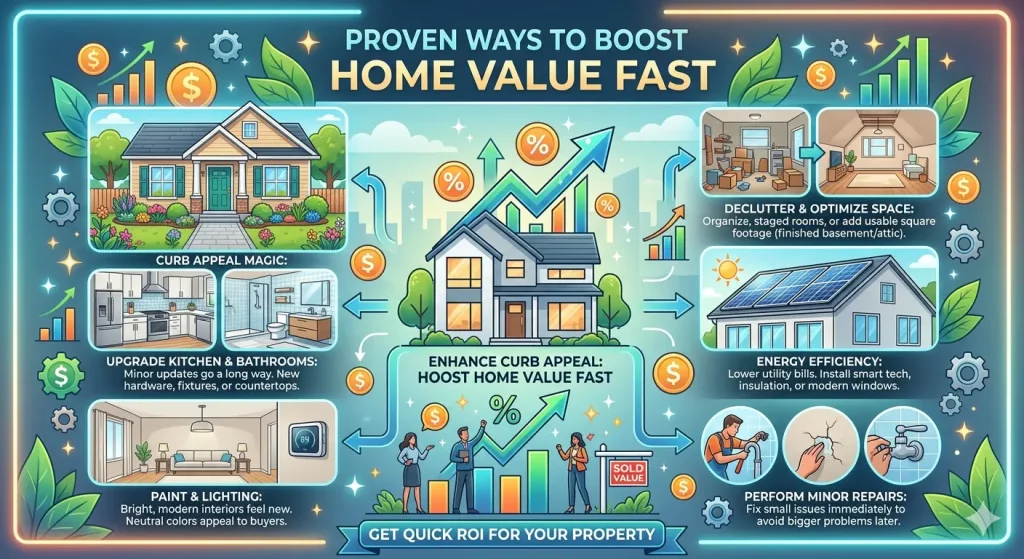
These smart upgrades provide you the best return on investment, whether you’re getting ready to sell or just developing long-term equity. This conclusion is based on facts, expert opinions, and real-world results.
Owning a home is one of the biggest financial commitments most individuals will ever make. But shockingly few homeowners take planned, strategic efforts to maintain and grow that investment over time. You can always control your home’s value, regardless of your area’s housing market. A few smart renovations, targeted enhancements, and surprisingly simple tweaks can raise the market value of your house by a lot, often in just a few weeks.
But here’s the thing: not all home improvements are the same. You may spend $50,000 or more on a full basement remodel, but you could only get 60 cents back for every dollar you invest. A $5,000 kitchen update, on the other hand, may raise your asking price by $15,000 or more. Understanding where to allocate your time, money, and energy can make the difference between stagnation and truly building wealth through your property.
In this tutorial, we will demonstrate five proven methods to quickly and effortlessly increase the value of your property. These aren’t nebulous notions or popular Pinterest boards. They’re real estate economics, buyer psychology, and return-on-investment analysis-based ways to get things done.
Let’s get started.
1. Upgrade the Kitchen — Strategically, Not Extravagantly
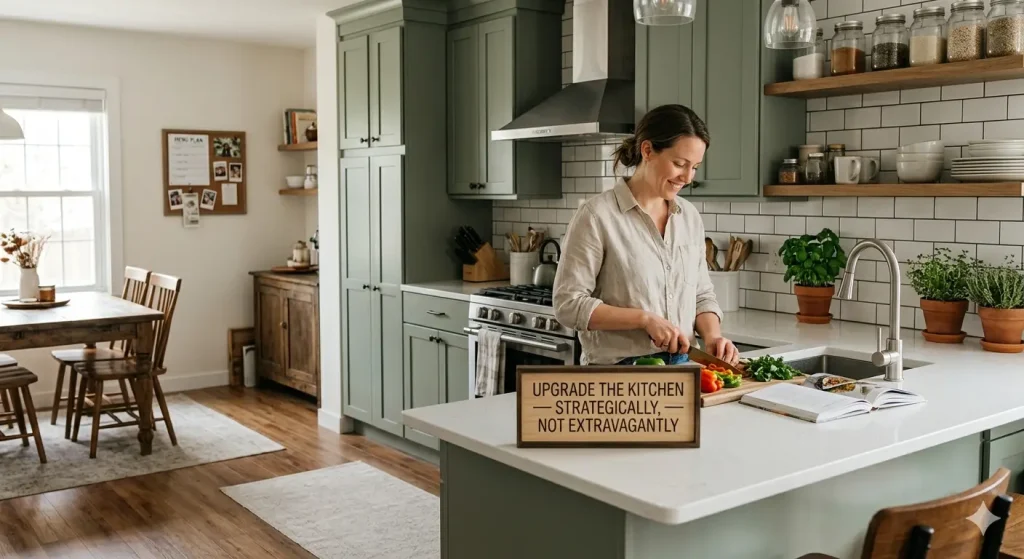
If you ask any experienced real estate salesperson what sells a house, they will nearly always say the kitchen. It’s the heart of the home, where families come together, where parties happen, and where buyers get their greatest emotional impressions.
However, many homeowners mistakenly believe that enhancing their property’s value through the kitchen requires a complete renovation with custom cabinets, marble countertops, and commercial-grade appliances. In fact, some of the best returns come from small, focused modifications that make the room more modern without costing a lot of money.
What the Data Shows
The Remodeling Impact Report from the National Association of Realtors says that a little kitchen makeover will get back roughly 75–80% of its cost when you sell it, but a big, fancy kitchen redesign would only get back about 54%. The significant disparity clearly illustrates that you don’t need to invest a large amount of money to generate substantial returns.
Kitchen upgrades can significantly improve your home’s value without costing as much as you might expect.
If your cabinets are still in excellent shape, don’t replace them. Instead, repaint or reface them. A professional paint job or refacing, which means putting new doors and drawer fronts on top of the old cabinet boxes, may make an old kitchen look new for a lot less money. White, navy, and sage green are popular hues that look excellent in pictures and appeal to a wide spectrum of purchasers.
Replacing your outdated laminate counters with quartz or butcher block may make the whole kitchen feel more high-end. Quartz is the most popular countertop material among purchasers because it is strong, easy to care for, and comes in a wide range of styles. Expect to pay between $50 and $100 per square foot for installation, which is a lot cheaper than natural stone.
Updated Hardware and Fixtures: This change will have the most impact for the least cost. You can get new cabinet pulls, drawer knobs, and a modern faucet for less than $300, and they will make it clear that the kitchen has been cared for and renovated. Brushed gold, matte black, and brushed nickel are the finishes that consumers like the most right now.
Modern Lighting: Changing out an old light fixture over the kitchen island or sink with a modern pendant light or a group of recessed lights may change the whole feel of the room. Good lighting makes a kitchen look bigger, cleaner, and more welcoming, which are all characteristics that purchasers are instinctively looking for.
Installing a new tile backsplash is one of those modifications that makes a big difference. Subway tile is still a basic choice that most people like, but geometric designs and natural stone mosaics are becoming more and more popular. Depending on the size of the space, materials and installation usually cost between $800 and $2,500.
The Mind Behind It
People who want to buy a house stroll into the kitchen and make quick decisions. They’re not calculating the cost of each upgrade; they’re just checking if the area is modern, clean, and useful. When buyers see a kitchen that looks new, they know that the rest of the house has been well cared for. It makes them feel less risky and more inclined to pay a premium.
2. Maximize Curb Appeal — First Impressions Are Everything
“You never get a second chance to make a first impression” is something you’ve probably heard before. This idea is worth tens of thousands of dollars in real estate. Curb appeal, or how attractive your home looks from the street, is one of the most important factors in how much others think your home is worth. It’s also one of the easiest and cheapest things to improve.
Studies reveal that a home’s worth might go up by 5 to 11% if it looks good from the street. This means that a home valued at $400,000 could increase in value by an additional $20,000 to $44,000, typically achieved through changes that incur only a small cost.
The Effect of the Front Door
It sounds simple, but one of the best things you can do is replace or repaint your front door. According to Remodeling Magazine’s Cost vs. Value Report, replacing a steel entry door pays for itself and then some, getting back about 101% of its cost.
Pick a bright, friendly hue. Deep navy blue, classic crimson, and forest green are colors that work well. Make sure the hardware, such as the lockset, handle, and house numbers, all look new and go together.
Landscaping That Sells
You don’t have to pay a lot of money to hire a landscape architect. Pay attention to these important things:
Fresh mulch and clean edges. Setting the edges of your garden beds and adding a layer of black mulch makes everything look neat right away. Price: Most dwellings cost less than $200.
At the entryway, use plants that are identical on both sides. Two matching planters with seasonal flowers or boxwood bushes on either side of the front door make the space feel balanced and purposeful. This small design choice helps the entrance look nicer and more inviting.
A lawn that is green and healthy. If your lawn is sparse or overgrown, spend money on overseeding, fertilizing, and mowing it regularly in the weeks before you market it. A well-kept lawn looks great in pictures and tells purchasers that the house is in good shape.
Cutting back trees. Trees that are too big can make a house look dark, dirty, and smaller than it really is. Professional trimming makes it easier to see things, lets more light into the house, and may make the property seem a lot better overall.
Cleaning and caring for the outside
Make sure everything you already have looks its best before you spend money on something new:
- Use a power washer on the deck, driveway, walks, and siding. This alone may make a house look a lot newer.
- Gutters need to be cleaned or replaced. Sagging, overflowing gutters signal carelessness to buyers, as they indicate concealed water damage and deferred maintenance.
- Fix whatever harm you can see. Cracked sidewalks, peeling paint, and broken railings are all tiny problems that add up to make a home look like it hasn’t been taken care of.
- Lighting Outside
- It costs less than $150 to add solar-powered path lights down the walkway and a few spotlights to light up the front of the house.
This makes for a beautiful nightly display. Many purchasers look at listing images on their phones at night for the first time. A house with a pleasant glow on the outside is much more inviting than one that fades into darkness.
3. Add Usable Square Footage — Without a Major Addition
One of the most important ways to determine a house’s worth is by measuring its square footage. A higher price almost always means more livable space. But it can cost between $100 and $300 per square foot to add a whole room, and it can take months to finish. What would be the smarter move? Transform the underutilized space you already have into a functional living area.
Complete the Basement
An unfinished basement doesn’t add any value to your property. But a finished basement with the right carpeting, drywall, lighting, and an egress window may add a lot of usable square footage to your home’s listing.
The average cost to renovate a basement is between $15,000 and $35,000, depending on how big and complicated it is. A finished basement, on the other hand, can add $30,000 to $70,000 to the value of your home, depending on where you live. That’s a return that is difficult to beat.
Think about how you set up the area. A finished basement that can be used as a home office, media room, guest suite, or gym is very appealing to today’s purchasers, many of whom work from home at least part-time.
Change the Attic
If your attic has enough headroom (usually at least 7 feet for living space), turning it into a bedroom, office, or extra room can be a fantastic investment. Attic conversions usually cost between $40,000 and $60,000, but they can greatly raise the assessed value of a home, especially if you include a bathroom.
Put a fence around a patio or porch.
You can get more living space for less money per square foot by turning a screened porch or open patio into a three-season room or sunroom. This is cheaper than building an extension from the ground up. People who want to feel like they’re living outside while still being comfortable with climate control really like these rooms.
The Garage Talk (Be Careful)
You can increase the square footage of your home by turning a garage into living space, but if you live in a place where garage parking is expected, it could lower your home’s value. Before making this choice, always look into what buyers in your area want. Converting your garage might be a good idea if you live in a city with lots of street parking. In suburban areas, it can be a deal-breaker.
Don’t Forget to Get Permits
Make sure you have the right permits and have the work checked out before you change any space. Unpermitted additions are a warning sign during the sale process, and if buyers or their lenders find out that the work wasn’t done to code, it might lower the value of your home.
4. Modernize the Bathrooms—Clean, Fresh, and Spa-Like
Bathrooms are the second most important rooms to consider when displaying a property, after the kitchen. Buyers may not be interested in your home if it has old-fashioned bathrooms with pink tiling, brass fixtures, or vinyl flooring from the 1990s. The good news is that bathroom modifications are a great investment, especially if you focus on small cosmetic changes instead of big restorations.
The Figures
A bathroom remodel in the middle price category costs about $25,000 and gets back about 70% of its cost when sold. But smaller, more focused changes, like the ones listed below, often give even better returns because they cost so much less.
Bathroom Improvements with a High Return on Investment
Change the Vanity: A new vanity with a modern sink and countertop may make a bathroom look brand new. Floating vanities are really popular right now, and they make small bathrooms feel bigger. A quality vanity from a home improvement store will cost between $300 and $1,200.
Change the mirror and lights: A conventional builder-grade plate mirror and strip light above it are signs of a basic, unfinished style. Put in a framed mirror with modern sconces or an LED-illuminated mirror. This one improvement, which costs between $150 and $500, makes the whole space better.
Re-grout or Replace Tile: If the tile is still in excellent form but the grout is soiled or crumbling, you can pay a few hundred dollars to have a professional re-grout it and make it appear brand new. If the tile is old, think about replacing the floor with luxury vinyl plank (LVP). It’s waterproof, long-lasting, looks appealing, and costs much less than ceramic or porcelain.
Install a New Toilet: A new toilet that uses less water costs between $150 and $400 and makes your bathroom look clean and modern right away. Most purchasers want bowls that are longer and styles that are comfortable to sit on.
Add a Glass Shower Door: One of the best ways to make a bathroom appear more expensive is to replace the shower curtain with a frameless glass door. It makes the room look bigger, makes cleaning easier, and shows that the finish is of greater quality. Expect to pay between $500 and $1,500 for installation.
Fresh paint and caulk: This type of work costs nearly nothing but makes a bathroom appear a lot better. Take out the old, yellowed caulk from around the tub, shower, and sink and put on new white silicone caulk. Use a soft, neutral hue to paint the walls again. Warm whites, light grays, and pastel blues are all colors that most people like.
The Spa Effect
People who buy homes today want bathrooms that seem like getaways. A few finishing touches, like a rain showerhead ($50–$150), matching towel bars and accessories in matte black or brushed nickel, and even a tiny potted plant, may make the space seem like a spa and look great in photos.
5. Invest in Energy Efficiency — The Value Buyers Can't See (But Definitely Feel)
This is the sleeper approach that many homeowners don’t think about, but it’s becoming more and more significant in today’s market. Homes that use less energy sell faster and for more money. Studies by the U.S. Department of Energy and the National Association of Realtors show that energy-efficient features can raise a home’s value by 2–6%. Those with solar panels sell for about 4.1% more than those without them.
Energy efficiency isn’t only about solar panels, though. There are a lot of upgrades that can be made, and many of them are surprisingly cheap. These improvements show purchasers that the property will be cheaper to run, which is a big selling factor in a time when utility bills are going up.
Windows and Insulation
If your home has single-pane windows, one of the best long-term investments you can make is to get double-pane, Energy Star-rated windows. According to the EPA, replacing all the windows in a house costs between $10,000 and $20,000. But when you sell, you can recoup 60–70% of your costs, and your energy bills will decline by 12–33%.
Adding or updating insulation in the attic is significantly cheaper. You may improve the R-values of your attic insulation for as little as $1,500 to $3,000. This can save your heating and cooling bills and make your home more pleasant all year long.
Technology for Smart Homes
Smart thermostats like the Nest or Ecobee ($130–$250) are one of the cheapest modifications that people think are worth the money. They save homeowners 10–15% on heating and cooling expenditures on average, plus they show purchasers that the home is modern and up-to-date with technology.
Other smart home features you might want to think about are:
- Smart door locks and video doorbells ($100–$300)—buyers care a lot about security.
- Smart lighting systems ($50–$200) are easy to use and improve your home look. You may control them with your phone or voice.
- Smart smoke and carbon monoxide detectors ($30–50 apiece) are a simple way to improve safety.
- Systems for heating, cooling, and air conditioning
If your heating and cooling system is older than 15 years, getting a new one before you sell could be a big value-add. People who want to buy a home are hesitant to take on an outdated HVAC system because they know it could cost $5,000 to $12,000 to replace. A newer, more efficient system, especially one with proof of recent maintenance, takes away a big worry and can explain a higher asking price.
If you cannot afford to replace the entire HVAC system, at the very least, hire a professional to service it, change the filters, and keep the maintenance documents available for the buyer to review.
Upgrade Your Water Heater
It costs between $1,500 and $3,500 to switch from a typical tank water heater to a tankless system. However, it saves a lot of energy and is appealing to purchasers who are in favor of having unlimited hot water and saving space. If you’re sticking with a tank model, just replacing an old, rusty one with a new, energy-efficient one would make purchasers feel better about not having to pay for unexpected repairs.
The Green Premium
Homes sold as “green” or “energy-efficient” cost more in almost every market, in addition to individual upgrades. This is especially true for younger buyers, including millennials and Gen Z, who are now the largest group of people buying homes and care a lot about sustainability and operating costs.
If you’ve made changes to save energy, write them down. Make a short, one-page list of the changes, the expected energy savings, and any certifications (such as Energy Star or LEED). This gives your listing agent a great way to market the home and makes purchasers feel good about how affordable it will continue to be.
Bonus Tips: Small Moves That Make a Big Difference
The five tactics above are the best ways to invest your money, but there are also a few smaller things you can do that will raise the value of your home with little cost and effort:
Fresh Inside Paint: A professional full inside repaint in modern neutral colors costs between $2,000 and $5,000, but it can add $10,000 or more to the sale price. Some people say it’s the best way to get the most return on investment in home renovations. Stick with warm whites, gentle grays, and greige colors that most people like.
Decluttering and Deep Cleaning: Before you spend any money on upgrades, make sure every surface, cupboard, and corner of your home is clean. Get rid of a lot of stuff—personal photos, extra furniture, and anything else that makes rooms feel smaller. Think about hiring a storage unit while you sell. A tidy, big house looks better in pictures, shows better, and sells for more.
Updated Flooring: If your carpets are old, soiled, or worn out, replacing them with luxury vinyl plank or refinishing the hardwood floors you already have can make a big difference. Hardwood floors are always at the top of purchasers’ lists of things they want, and homes with hardwood floors usually sell faster and for more money.
Professional Staging: If you’re selling, hiring a professional to stage your home is one of the best things you can do. According to the Real Estate Staging Association, properties that undergo staging sell 73% faster and for 5–10% more than those that do not. Staging typically costs between $1,500 and $5,000, but it can generate many times that amount in revenue.
The Bottom Line: Strategy Beats Spending
All five tactics emphasize that you should think carefully about how to improve your home’s value, not just spend money on unnecessary things. The homeowners that get the most money back aren’t the ones who spend $100,000 on a luxury remodel. They find the most effective upgrades, do them right, and showcase their home well.
Before you spend money on any upgrades, ask yourself these three questions:
- Will the upgrade be interesting to many people? Projects that reflect your personal taste, like turning a bedroom into a home theater, might actually lower the value of your property and limit the number of people who want to buy it.
- What do you anticipate getting back on your investment? Look at the exact return on investment (ROI) for each improvement in your area. It is advantageous to look at national averages, but local data is more reliable.
- Is the improvement introducing a new feature or resolving a problem? In general, addressing problems like aged roofs, kitchens, and HVAC systems gives you a greater return than installing luxury items like wine cellars and swimming pools.
- These five tips can help you develop equity, get more buyers, and receive the best price for your most important asset, whether you want to sell in six months or six years. Begin with the changes that meet your budget and schedule. Keep in mind that in real estate, consistent and careful actions are always better than expensive one-time actions.
Your house is more than just a place to live. It’s a financial asset that needs the same strategic care as any other investment. If you treat it right, the returns will come.
Did this guide assist you? Give it to a neighbor who wants to get the most out of their home. If you’re getting ready to sell, go to a local real estate agent who can help you decide which upgrades are most important based on your budget and the situation of the market.