7 Best Open Concept Housing Layouts
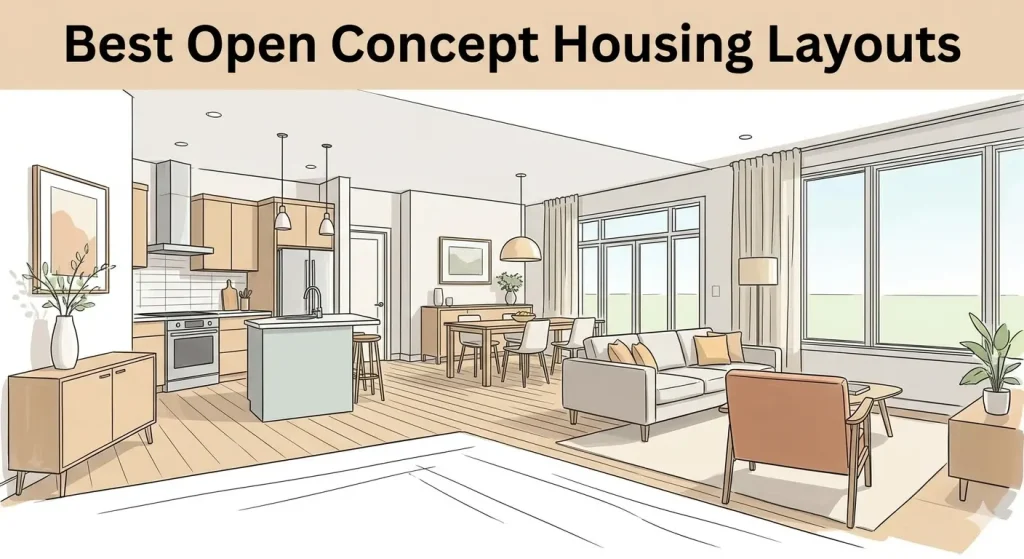
Open concept housing plans have entirely changed how we think about home design and living. By removing walls and obstacles between typical rooms, these plans create spaces that flow and serve multiple purposes. They also make the spaces feel bigger, brighter, and more suited to modern living. Understanding the greatest open-concept layouts can help you make smart choices that improve both the look and the usefulness of your space, whether you’re building a new house, remodeling an old one, or just looking into design options.
We’ll look at seven of the best open concept dwelling plans that architects and designers recommend in this complete guide. Each plan has its own pros and cons that make it better for certain lifestyles, family sizes, and architectural types.
What Makes an Open Concept Layout Work?
It’s crucial to know what makes a great open-concept design different from just taking down walls before you start looking at specific layouts. The greatest open concept plans have a good mix of openness and defined areas, let in a lot of natural light, make it easy for people to move around, and keep everything feeling connected while still letting each section do its job.
When designing an open concept environment, you also need to think about how sound travels, how people can see each other, and how public and private spaces relate to each other. They use consistent flooring, color schemes that go well together, and careful furniture arrangement to provide visual continuity. They also use subtle design elements, such as varying lighting, partitioning features, and decorative accents, to set off distinct functional sections.
1. The Great Room Layout: Kitchen, Dining, and Living Combined
Summary
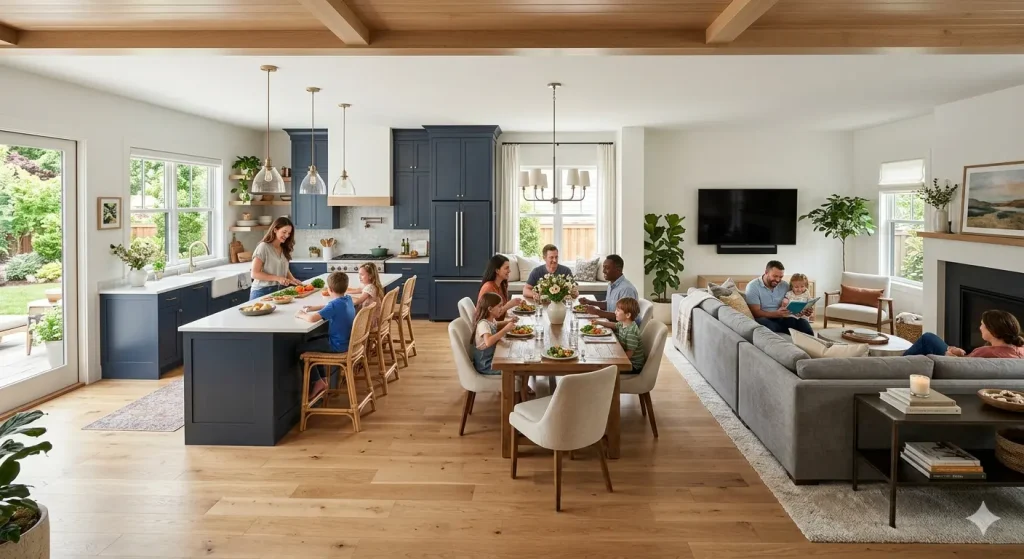
The excellent room layout is one of the most popular open-concept designs. It combines the kitchen, dining area, and living room into one large, open space. This arrangement takes down the walls that used to separate these three rooms, making a big, useful space that is the center of the home.
Important Parts
In a wonderful room, the kitchen is usually on one end or side of the room. It often has an island or peninsula that may be used for both work and casual meals. The dining area, which can be formal or informal, flows organically from the kitchen, which is normally in the middle of the room. The living area is at the other end, which makes the space feel like it flows naturally.
This layout is perfect for square or rectangular floor plans that are between 400 and 800 square feet. However, luxury homes may have enormous rooms that are more than 1,000 square feet. The best thing about this design is that it can be used for a wide range of activities, from peaceful family dinners to big parties, with no problems moving from one to the next.
Pros
The layout of the big area is ideal for getting families to talk to each other and connect with others. Parents can monitor their children as they complete schoolwork at the dining table or watch TV in the living room while cooking in the kitchen. Hosts stay with their guests during parties instead of going to a separate kitchen.
Another big plus is that natural light may move around. Sunlight can enter the house more easily if there are fewer barriers blocking windows. This makes the house feel more welcoming and reduces the need for artificial light during the day. The way the space feels makes even small homes seem more lavish and less crowded.
Things to consider when designing
Use smart zoning methods to keep this big area from feeling like an echo chamber or looking messy. Use area rugs to separate the living room from the dining room, pendant lighting to draw attention to the dining room, and different but complementary materials for the kitchen backsplashes or flooring transitions. Arranging furniture creates unseen walls without making the space feel closed off.
A kitchen island with seating could be a beneficial way to separate the cooking and relaxing areas. This arrangement also gives you more storage and workspace, which is a major worry about open kitchens: seeing clutter. To keep the clean, uncluttered look that makes open concepts appealing, you need smart storage solutions and organized systems.
2. The L-Shaped Kitchen and Living Layout
Summary
The open concept arrangement in an L-shape puts the kitchen along two walls that are at right angles to each other. This makes an L-shape that opens right into the living or dining room. This style works well in compact to medium-sized houses where every inch of space counts.
Important Parts
In this layout, the kitchen is in a corner or at one end of the open space, with cupboards and appliances along two adjacent walls. The rest of the open space flows smoothly into the living and eating areas. The L-shape of the kitchen often divides the cooking and living rooms without the need for physical walls.
The sink or range is commonly in the corner where the two kitchen walls intersect. This makes the most of the counter space on both walls. The open end of the L faces the living room, which encourages people to talk to each other and keeps the space visually connected.
Pros
This plan makes the conventional kitchen work triangle (the space between the sink, stove, and refrigerator) work better while still keeping the living areas next to it open. It’s exceedingly space-efficient, which makes it perfect for condos, townhouses, or smaller single-family homes where every square foot matters.
The L-shape gives you enough counter space and storage while keeping the cook busy with family or friends. It also creates a natural flow of traffic that keeps people moving around the space without cutting across areas where cooking is taking place, which is a common problem in poorly planned open concepts.
Things to think about when designing
When putting in an L-shaped open concept, make sure to pay close attention to where the kitchen and living space intersect. A small modification in the type of flooring or a small extension to the breakfast bar can help define boundaries without breaking up the flow of the space.
In this layout, lighting is critical. The kitchen is in a corner, so it gets less natural light than rooms in the middle. Add under-cabinet lights, pendant lights, and recessed ceiling lights to make sure there is enough light for cooking and to make the living room next door more inviting.
You need to pay additional attention to storage planning because you only have two walls to work with for cabinets. Use tall cabinets to make the most of vertical space, and use corner storage solutions like lazy Susans or pull-out systems. You may even think about extending top cabinets to the ceiling to get rid of areas that collect dust and add more storage space.
3. The Kitchen Island Centerpiece Layout
Summary
This open floor plan has a big kitchen island in the middle, which is the main point of interest and the main separator between the kitchen and living areas. The island has many uses: it can be used for cooking, eating casually, storing things, and as a visual anchor that organizes the whole room.
Main Features
In the middle of the open space is a large island that is usually 4 to 10 feet long and 3 to 4 feet deep. This island naturally separates the cooking and living areas. One side has cabinets, appliances, or the main sink, and the other side has seats for two to six people, facing the living or dining room.
The layout places the main kitchen items, such as the refrigerator, wall ovens, cooktop (or a second sink), and main storage, around the room’s perimeter. The living room flows around the island, making an organic circulation pattern that feels both open and well-organized.
Pros
This arrangement is excellent for encouraging interaction while keeping things separate. The cook works at the island with family or visitors sitting across from them. This makes it easy for people to talk without getting in the way of the cook. People naturally gather around the island instead of venturing into the busy cooking area, which provides them a mental barrier.
Islands are excellent for storage since they often have drawers, cupboards, designated places for pots and pans, wine racks, or even dishwashers and beverage refrigerators. The extra counter area is ideal for making meals, serving buffet-style dinners, or showing off food at parties.
A well-designed island can add visual appeal to a room and include design elements that improve the look, including waterfall countertops, cabinets with different colors, ornate legs or corbels, or distinctive lighting fixtures hanging from the ceiling.
Things to think about when designing
In island-centric design, the proportions of the sizes are essential. The island should be big enough to be a focal point and have ample seating and storage, but not so big that it gets in the way of traffic. At least 42 to 48 inches of space on all sides makes it easy to move about and lets cabinet doors and dishwashers open all the way.
Consider the orientation of the island carefully. The seating portion usually faces the living room, which lets people interact with the space. The working side, on the other hand, confronts the kitchen’s perimeter cabinets, which helps the workflow. If you want to add culinary features to the island, make sure there is enough ventilation with a downdraft system or a big hood that doesn’t block your view.
Installing an island is more difficult and expensive since it needs electrical and plumbing work, which means digging trenches in the floor for utilities. Plan these things out during the early stages of design, especially if you’re adding to an existing home, because putting utilities through existing concrete slabs may be costly.
4. The Split-Level Open Concept Layout
Summary
The split-level open idea keeps things looking open while defining separate areas with small changes in floor height. This design works wonderfully in homes with unique architectural details or when the land is uneven.
Important Parts
In this design, different functional zones are on platforms that are at different heights, usually just one or two steps (6 to 12 inches) apart. The most frequent setup has the living room either sunken or raised compared to the kitchen and dining sections. This design maintains an open space without walls, allowing people to see each other.
In another version, the dining area is on a raised platform, which makes it feel more formal and important. The kitchen and living areas stay on the main level. The changes in level generate natural boundaries that are more clear than just using visual zoning approaches, allowing for distinct areas for dining, cooking, and living that enhance the overall functionality and flow of the space.
Pros
Split-level open concepts keep the open concept living feeling of space and connection while giving each zone greater psychological isolation than single-plane layouts. The varying heights make the building more interesting and give each section its own feel, which is great for people who prefer openness with more definition.
These layouts can work with the features of your property instead of against them. For example, they can include difficult foundation variants or sloped lots into the design instead of trying to make everything level. They also sound better because the changes in level assist keep sound in each zone better than fully flat open spaces.
Split-level designs can put living spaces at heights that make the most of sight lines to windows and outdoor views while maintaining kitchens at more practical levels for homes with outstanding views.
Things to think about when designing
When adding level modifications, safety is the most important thing. Steps must be easy to see, well-lit, and follow building codes. If the height difference is more than one step, think about using different materials or colors at the margins, making sure there is enough light (including night lights for safety at night), and putting up strong railings.
When designing a split-level home, you have to think about how easy it is to get there. These layouts might not be the best for families with young kids, older people, or people who have trouble moving around, as the height differences can pose safety risks and accessibility challenges for these groups. If you want to stay in your home as you become older, single-level open layouts give you more long-term options.
When planning where to put furniture, you need to be mindful of variations in level. Make sure there is enough room on each platform for furniture to be arranged in a way that works without pieces awkwardly crossing levels. The changes between levels should improve traffic flow, not make it more dangerous or slow it down.
5. The Open Loft Layout
Summary
Mezzanine levels or high ceilings with exposed architectural elements are common in open loft plans. These features maximize the use of vertical space. This style gives open-concept living a dramatic sense of scale. It’s popular in converted industrial areas, modern residences, and smaller homes where vertical expansion adds required square footage.
Main Features
Loft layouts are known for their large vertical volume, with ceilings that are usually between 12 and 20 feet high. The main floor has an open layout for the main living areas (kitchen, dining room, and living room). There is also a partial upper level that can be reached by stairs or a ladder that may be used for sleeping, working, or storing things.
The mezzanine level normally takes up 30 to 50 percent of the floor plate, which makes one section look like it has two stories and another area look like it has high ceilings. This design makes the building look more interesting and adds visual drama while also making the space inside the building more useful.
Beams, ducting, brick, or concrete that are not covered up often stay exposed, which gives the space an industrial sense and makes it appear more open and spacious. There are big windows that let in a lot of natural light.
Pros
Loft design makes tiny spaces feel bigger by making them taller. A 600-square-foot floor plate can effectively function as 900+ square feet when a mezzanine adds a sleeping or work area without consuming ground-floor real estate.
The high ceilings and open architecture give the space a unique look that is both roomy and full of character. In cities where square footage is expensive, these apartments sometimes cost more because they offer unique living spaces that feel bigger than they are.
The vertical divide gives you more privacy than open approaches that are only horizontal. The mezzanine’s sleeping or working rooms feel separate from the activities on the main floor, but they can still see one other. This is ideal for studio-style living or small homes where typical bedroom separation isn’t practicable.
Things to think about when designing
Planning ahead is important for heating and cooling open loft spaces. Heat rises on its own, which could leave lower levels cold and make sleeping rooms too hot. Ceiling fans, HVAC systems that may be controlled by zone, and careful vent placement can help with the problems of keeping large areas at the right temperature.
Sound can be a concern in lofts because it bounces around in lofty, open rooms with hard surfaces. To make sound surroundings more pleasant and less echoey, add sound-absorbing materials like area rugs, upholstered furniture, fabric wall hangings, or acoustic panels.
When it comes to safety on mezzanine levels, there should be proper railing height and spacing (building codes usually require 42-inch railings with spacing that keeps small children from getting through), enough headroom and width for stairs, and a way for people to get out of the upper levels in case of an emergency if they are used as sleeping areas.
6. The Indoor-Outdoor Flow Layout
Summary
This plan makes the connection between open living spaces inside and outdoors more clear by using wide doors, windows, or retractable wall technologies that make the line between inside and outside less clear. It’s especially common in vacation homes and places with warm weather.
Important Features
The open concept inside, which usually includes the kitchen, dining room, and living room, is immediately connected to outside spaces like patios, decks, or courtyards. Oversized sliding doors, folding glass walls, or multi-panel door systems open up the space between the inside and outside of a home, making it easier to live in both places.
Interior flooring typically goes outside with materials that are acceptable for the weather and match in color and size, creating a sense of continuity. Covered outdoor spaces act as extra rooms inside, and they often have outdoor kitchens, eating areas, or lounge areas that are like rooms inside.
Strategically placed windows frame exterior vistas, making gardens, pools, or natural landscapes look like they belong in the house. The orientation takes into account sun exposure, prevailing breezes, and seclusion from nearby homes to get the most natural light.
Pros
This layout makes the living room appear and operate much bigger, especially when the weather is nice. When outdoor areas blend in with indoor sections, a 400-square-foot space might seem to work like 800 square feet or more.
Being close to nature and having access to the outdoors improves life by bringing in fresh air, views of greenery, and natural ventilation. For families with children or pets, the seamless transition between indoor and outdoor spaces simplifies monitoring and daily tasks.
Indoor-outdoor layouts are more advantageous for larger groups from an entertainment perspective, as guests naturally distribute themselves between the indoor and outdoor areas. This makes things less crowded and gives them more alternatives for how they want to socialize (sun versus shade, active versus quiet zones).
Things to consider when designing
The weather has a big effect on how useful indoor-outdoor layouts are. These designs work best in Mediterranean, tropical, or temperate areas, but they need to be planned carefully in places with very hot or cold weather, high humidity, lots of rain, or many bugs. Screens, climate-controlled transition areas, or seasonal methods may be needed.
When big parts of the outside walls can open, security gets harder. Invest in high-quality locking systems, consider security screens or grilles, and explore security solutions that are compatible with frequently opened doors and windows.
Layouts that include both indoor and outdoor spaces need more maintenance because the outside parts need more care than the inside parts. Flooring at transition areas wears out faster because of tracked-in filth and weather exposure. Door mechanisms need to be serviced regularly, and the exterior elements need to be cared for seasonally.
7. The Flexible Multi-Zone Layout
Summary
This new way of living in an open-concept area uses movable walls, sliding panels, or flexible furniture systems that let the room change to fit your needs. It’s ideal for people who want the benefits of an open concept but still want to be able to exercise privacy or separation when they wish.
Important Parts
Usually, the room works like a classic open concept, with the kitchen, dining, and living areas all flowing together. But integrated design features make it possible to separate things for a short time or for a longer time. These could be:
- Sliding barn doors or pocket doors that can shut off the kitchen
- Curtain systems that go from the floor to the ceiling and divide a room right away
- Modular furniture that can be rearranged to create new areas
- Folding walls that go
- away when you don’t need them
- Panels that can be turned or moved to change privacy and sightlines
The most important thing is that these parts look well together when “open,” which improves the design instead of worse. They also work well when they are deployed.
Advantages
Flexible layouts give you the best of both worlds: they can be open and flowing when you want them to be, and they can be closed off for privacy, noise management, or activity zoning when you need them to be. This flexibility works for people at all phases of life, from couples who want to be open most of the time to families who need to keep homework and TV spaces distinct.
Flexibility is essential for home offices or guest rooms in open-concept homes. A dining room that transforms into an office during the day or a living room that transforms into a guest room at night maximizes space without compromising its utility.
These layouts also deal with frequent concerns about open concepts, like cooking aromas, messiness in the kitchen, and noise, by letting you temporarily close off the room when these problems arise without losing the openness that makes the space appealing.
Things to think about when designing
In flexible systems, quality is crucial. Cheap sliding doors can get stuck and tumble off their tracks. Partitions that aren’t forceful seem transient and ugly. Invest in well-designed systems that function effectively, blend seamlessly into the environment, and withstand regular use.
During the design phase, consider how the space will work in both setups. Make sure that closed positions don’t make rooms look weirdly shaped, obstruct important light sources, or get in the way of traffic. When items are open or stored, they should also fit together organically and not look like they were added later.
Think about whether the flexible parts should stand out visually (making them a design feature) or blend in with the rest of the design (keeping it looking cleaner). Exposed sliding door tracks and barn door hardware make a strong style statement, but pocket doors and drapes that hang from the ceiling can almost disappear when not in use.
Making Your Open Concept Layout Work
No matter what plan you choose, there are several basic rules that can help you make open-concept living work:
Cohesive Design Language: To make the open area look appealing, use the same or similar materials, colors, and styles throughout. This doesn’t mean that everything has to match, but everything should be related to each other to create a cohesive look.
Strategic Lighting: Use several types of lighting, like ambient, task, and accent, to set the mood and designate areas. Pendant lights over islands or dining tables, recessed lights in kitchen work areas, and lamps in living rooms all add variation while also meeting functional needs.
Thoughtful Storage: Open floor plans show off more of your home, which makes messes easier to see. Get plenty of well-organized storage and make it a practice to keep public places clean.
Acoustic Planning: Open spaces and challenging surfaces can produce echoes and noise problems. Use soft materials like upholstered furniture, area rugs, curtains, and acoustic panels to soak up sound and make spaces more pleasant.
Climate Control: It can be difficult to heat and cool open spaces equally. Zone-controlled HVAC systems, ceiling fans, and carefully placed vents all assist in keeping the space comfortable.
Conclusion
Open concept home designs now go well beyond just taking down walls. Each of the seven layouts discussed here—the wonderful room, L-shaped kitchen and living, island centerpiece, split-level, loft, indoor-outdoor flow, and flexible multi-zone—offers unique benefits for various architectural scenarios, lifestyles, and individual preferences.
The large room is ideal for people who value social entertainment and family time. In tiny rooms, the L-shaped arrangement maximizes efficiency. Island-centric designs keep areas separate for different activities while creating natural spots for people to gather, making them great for socializing and using space effectively in bigger rooms. Split-level designs improve acoustics and offer architectural flair. Loft design dramatically utilizes vertical space. Indoor-outdoor architecture expands living spaces and creates a connection to nature. Flexible multi-zone layouts provide adaptability for evolving needs.
When choosing and putting into practice an open-concept layout, take into account your daily schedule, entertaining preferences, family size and age range, and