9 Easy Steps to Create a Cozy Home
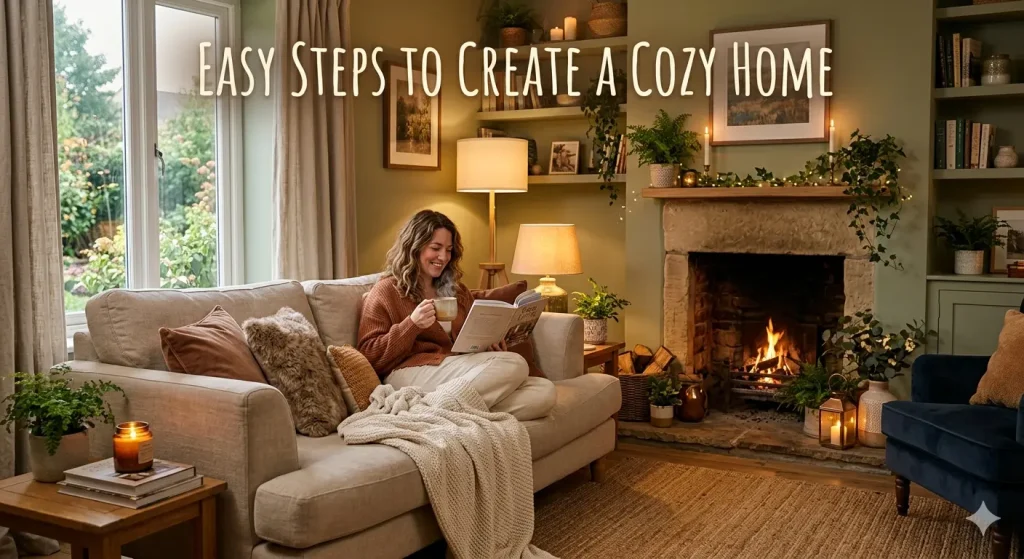
When you enter through your front door, it’s as if the world outside just disappears. That cozy, wrapped-in-a-blanket sensation isn’t just reserved for Pinterest boards and home design magazines. You can do it, and you don’t need a lot of money or a professional decorator to do it.
We’ve all been through this stage. You see those living rooms on social media that appear so cozy, with soft blankets draped over sofas and candles flickering on shelves, and you think, “My place could never look like that.” However, the reality is that your home’s warmth is not directly influenced by the amount of money you spend. What matters is how intentional you are.
I discovered this lesson through personal experience. I moved into a new apartment a few years back and right away started buying furniture. I chose trendy pieces, stuck to a rigorous color scheme, and made sure everything went together. What happened? It looked beautiful, but it seemed like a showroom. It was chilly. It was clean. And to be honest, I didn’t even want to be there.
Things didn’t start to change until I started paying attention to how spaces felt, not just how they appeared. I stopped decorating for other people and started making things that were comfortable for me. And that change made all the difference.
This book is for you if you’re moving, redecorating, or just want a cozier home. These nine steps are doable, don’t cost much, and have been tried and tested. Let’s make your house a home that hugs you back.
Step 1: Start with Warm, Layered Lighting
To make your home cozier, change the lights.
Most households only have one light in each room. And let’s be honest: a bright ceiling light buzzing down on you like a fluorescent office light isn’t really comfy. Overhead lighting is flat and unattractive, and it makes the room appear more clinical than cozy.
Layering is the key to making light that feels warm. It’s akin to preparing for a chilly day; one would not simply wear a single heavy jacket. You’d put on a soft shirt, a sweater, and finally a coat. The same goes with lighting.
Here are some tips for layering your lighting:
- Your base layer is the ambient lighting. This might be a light that is dimmed from above, a floor lamp in the corner, or recessed lighting that is set to low.
- Task lighting is for certain tasks, such as a desk lamp for working, a reading lamp next to your favorite chair, or lights under the kitchen cabinets.
- Accent lighting makes things more intriguing and cozy. You may put fairy lights on a bookshelf, a bunch of candles on your coffee table, or LED strip lights behind your TV.
- Changing all of my cool-toned bulbs to warm white ones (about 2700K) was one of the easiest things I’ve ever done.
- The change was instant. At that moment, my living room felt more like a lodge than a hospital waiting room.
Furthermore, please keep in mind how strong candles may be. They give forth a flicker and shine that no other light source can match, whether they are real or not. You can change the mood of a room nearly right away by putting them at different heights.
Buy a few dimmer switches as a pro suggestion. It’s a big deal that you can vary the brightness of your lights based on the time of day and how you feel. It wakes you up in the morning and calms you down at night. It makes your house feel alive and responsive.
Step 2: Embrace Soft Textures Everywhere
Think about what “cozy” feels like with your eyes closed. You’re probably thinking about something soft. A soft blanket. A thick rug on the floor. A pillow made of velvet that you can sink into.
Adding soft textures to your home is one of the easiest ways to make it seem warm and welcoming. Texture is one of the most underappreciated parts of comfort in the home.
Begin with the parts of your body that touch the most:
- Flooring: If your flooring is made of wood or tile, you need area rugs. A big, shaggy rug in the living room or a soft runner in the corridor will make a room feel warmer right away.
- You don’t have to invest a lot of money; even a cheap jute or cotton rug will make your feet feel better.
- Throwing cushions in different sizes and textures on your couch and chairs can add depth to your seating.
- Mix fabrics like knit, faux fur, linen, and velvet. Don’t be hesitant to stack them up; a lot of them feel good.
- Blankets and throws: Put a thick knit throw over the arm of your couch. Place a cozy blanket at the foot of your bed after folding it. Put a basket of throw blankets in the living room so that everyone can get one. These little things say, “Sit down.” “Stay a while.”
In addition to your furnishings, consider your curtains (heavy drapes feel warmer than thin blinds), your bedding (flannel sheets in the winter and high-thread-count cotton sheets in the summer), and even your towels (thick, fluffy towels in the bathroom make a shower feel like a tiny pleasure).
The idea is to make a home where everything you touch feels inviting. Your mind and body relax when your surroundings are physically pleasant. And that calmness is what makes you really cozy.
Step 3: Choose a Warm, Cohesive Color Palette
The color of a room can have a big impact on how we feel in it. Stark whites, grays, and blues are cool colors that can make a space appear clean and modern, but they don’t always feel warm. If you want to feel cozy, try for warmer colors.
You don’t have to paint all of your walls terracotta orange, though. It requires being careful about the colors you choose and how they work together, as selecting the right shades can enhance the cozy atmosphere you want to create.
Here are some color combinations that are quite cozy:
- Cream, beige, taupe, warm gray, and soft caramel are all warm neutrals. These colors are classy and grounding without becoming boring.
- Earth tones include deep clay, mustard yellow, burnt sienna, olive green, and rust.
- These colors make the outside world feel like it’s within and make you feel anchored.
- Burgundy, navy, forest green, and chocolate brown are some of the rich, deep colors.
- These darker colors offer depth and warmth to a room when used as accent walls or in furniture and decor.
- The most important thing is unity. You don’t need to paint every room the same color, but there should be a unifying element. Your home feels like one big, warm embrace when the colors flow naturally from room to room.
Don’t worry if you rent and can’t paint. You may add color to your home with fabrics, art, pillows, curtains, and other decorative items. A few things in warm colors in the right places may change the whole mood of a room.
Step 4: Bring Nature Indoors
The plants, the natural shapes, and the earthy materials all make us feel at peace in nature. Bringing things from nature into your home might help you feel calm and healthy in the same way.
Plants are the best place to start, and for good reason. They bring vitality, color, and even better air quality. If you’re not sure how to take care of plants, start with ones that don’t need a lot of care, such as pothos, snake plants, ZZ plants, or succulents. A single plant on a windowsill or a little herb garden in the kitchen may make a big difference.
But plants aren’t the only thing in nature. Think about adding:
- Wooden furniture, bamboo accessories, stone coasters, woven baskets, rattan lamp fixtures, and ceramic pots are all made of natural materials.
- Synthetic fabrics can’t equal the natural warmth of these materials.
- A vase of dried eucalyptus, a bunch of pampas grass, or a wreath of dried lavender may bring beauty and texture to your home without needing any care.
- Essential oil diffusers with aromas like cedarwood, pine, lavender, or eucalyptus may make your home smell wonderful. You may also put cinnamon sticks, orange peels, and cloves in a saucepan of water and let it simmer. It will smell like a hug in your house.
- Nature has a wonderful way of making places feel substantial and solid. Being around natural things is really calming in a world full of screens and fake surfaces.
Step 5: Create Defined, Cozy Nooks
Here’s something intriguing about how people think: we feel safer in smaller, more defined settings than in larger, more open ones. This preference explains why kids enjoy building blanket forts and why a window seat is more appealing than sitting in the middle of a large living room.
You don’t have to change the layout of your house to make pleasant corners. You just need to be smart about how you set up your area.
- The reading nook: Put an armchair in a corner, a tiny side table, a lamp, and a few books on top of it. Put a throw over the back of the chair. Well done! You’ve just made a calm place to relax.
- The window seat: If you have a window with a deep sill or a bench nearby, put many pillows and cushions on it. Put a small tray on the table for tea. It becomes a lovely place to relax, look out, and breathe.
- The breakfast nook: an area of the kitchen with a nice bench and a few pillows is a great place to enjoy coffee and talk in the morning, even if you have a dining table.
- The bedroom retreat: Make your bed the most comfortable place in the house. Put extra pillows on your bed, layer your bedding, and keep a book and a hot drink close by. You should never want to leave your bed because it feels like a cloud.
These set areas in your home let you take a break. They are concrete reminders to calm down, and they make your home feel planned and considerate.
Step 6: Declutter, But Keep It Personal
Let me be clear: cozy doesn’t mean messy. “Warm and lived-in” and “chaotic and overwhelming” are completely unique things, and clutter drives you toward the latter.
When your house is full of items you don’t need, don’t use, or don’t love, it makes things look messy. Your brain needs to take in all of that information, which is tiring. Your subconscious knows about the mail on the counter and the shoe rack by the door, but you don’t. And it’s taking away your energy.
Take some time to look around each room and ask yourself:
- Do I use these items often?
- Does this really make me pleased?
- Does the item have a point?
Let it go if the answer to all three is no. You can give it away, sell it, recycle it, or throw it away. Get rid of the things that don’t matter so you can make way for the things that do, such as meaningful items that bring joy or serve a purpose in your life.
But, and this is key, don’t take everything out of your house. Minimalism can be lovely, but if you go too far with it, it might feel empty, leading to a lack of warmth and personal connection that makes a house feel like a home. A snug home has character. It tells a story.
Keep the things that make your space special:
- Pictures of the family in nice frames
- Souvenirs from your travels that bring back memories of important times
- Shelves full of books you adore
- Art that talks to you
- Things crafted by hand by people you care about
Collections that make you joyful, like old mugs, vinyl albums, or unique candles
The sweet spot is a home that feels organized, not messy. Everything has a place, a purpose, and a meaning.
Step 7: Engage All Five Senses
People usually only think about how their home looks, yet real comfort involves all five senses. You feel more comfortable when all of your senses are fed.
We’ve talked about this with lighting, colors, and decor. When you look around your house, be sure that what you see makes you feel calm.
Touch: We’ve talked about how things feel, including soft fabrics, velvety rugs, and polished wood. Make every point of contact enjoyable.
Smell: Don’t ever forget how strong smells may be. A home that smells wonderful is much more inviting. Candles, essential oils, fresh flowers, simmering spices, or linen sprays can all help you make a unique smell for your place. Researchers have demonstrated a strong connection between scents such as vanilla, cinnamon, and lavender and feelings of warmth and calm.
Sound: How does your house sound? If the answer is “silence” or “street noise,” you might want to introduce sound on purpose. A small Bluetooth speaker playing peaceful music, a tabletop water fountain, wind chimes near an open window, or even a white noise machine may all make your place sound lovely. Make playlists for different moods. For example, make a jazz playlist for cooking dinner, an acoustic guitar playlist for lazy Sunday mornings, and a classical music playlist for when you need to concentrate.
Taste: This one is a little more abstract, but think about how your home makes it easier to appreciate food and drink. A tea station with many different kinds of tea and pretty glasses. A bowl of fruit on the counter. A cookie jar that really has cookies in it. There is a cart filled with your favorite beverages. Your house feels more complete and loving when it makes it easy to enjoy minor culinary pleasures.
When all five of your senses operate together, your house becomes more than just a place to sleep and put your things.
Step 8: Make Your Home Functional for Your Actual Life
A lot of design advice doesn’t take this into account: a home that works for you is a cozy home.
Your room won’t work for you if it doesn’t fit your lifestyle, no matter how lovely it is. If you love cooking but your kitchen is a mess, you’ll be mad every time you enter. You’ll feel pressured and restless if you work from home but don’t have a pleasant place to do it. If you have kids and every surface is covered in delicate decorations, you’ll be more worried about things breaking than relaxing.
Ease is what makes things cozy. You feel tranquil when your home flows nicely and helps you get things done. You feel tense when it fights you.
Spend a week seeing how you really use your space:
- When you want to unwind, where do you naturally go?
- What parts of your life make you the most stressed or frustrated?
- Do some routines feel harder than they should since your space isn’t set up for them?
- Do you have storage solutions that work with how you live?
Then, change things:
- If you always read on the couch instead of at your desk, make the couch the best place to read.
- Put up hooks, a shoe rack, and a catch-all tray in your foyer if it’s often a mess at night.
- Set up a special place for your coffee, keys, and luggage so that everything is ready to go in the morning if you have a lot going on.
- out the TV, put up blackout curtains, and get good bedding if your bedroom doesn’t feel restful.
- A home that runs smoothly seems easy.
- One of the most underrated kinds of comfort is being able to relax without trying.
Step 9: Slow Down and Actually Enjoy Your Space
You don’t have to buy anything or move anything in this last step. It’s about changing the way you think.
Although many of us invest significant time and effort in our homes, we rarely enjoy them to the fullest. We hurry through the morning, eat dinner while looking at our phones, and then fall into bed without ever sitting down and taking in the space we’ve made.
Cozy isn’t just a look. It’s a habit.
It’s lighting a candle and sitting with it for a while at night. It’s brewing a cup of tea and drinking it while it’s still hot, sitting in your favorite recliner with no phone in sight. This is when you invite friends over and engage in conversation for hours while gathered around the table. It’s sitting on the couch with a relaxing book, ignoring the laundry.
Your home is a safe place for you. You’ve thought about how to make it warm, lovely, and cozy. Now let yourself be there.
Here are several routines that might help:
- A lazy morning: Get up ten minutes earlier and drink your coffee in a quiet place before the day starts.
- A nocturnal wind-down: An hour before bed, turn off all screens. Light a candle, play some soothing music, and allow your home to soothe you.
- Weekend presence: Spend some of your weekend just being at home. Make a dinner that takes a long time to cook. Put everything back on a shelf. Sit on your porch. Read. Take a break.
- Change your decor with the seasons: in the spring, use a lighter throw; in the fall, use warmer colors; and in the summer, use fresh flowers. It keeps your home feeling alive and it keeps you interested in it.
You’ll notice something amazing when you slow down and pay attention: the home you’ve been seeking was never in a catalog or on a website. It was right here, waiting for you to get comfortable.
Final Thoughts
It doesn’t take just one weekend to make your home cozy. You and your space have a relationship that goes on and on. It changes as you do. Your needs change, your tastes change, and your life goes in new ways. And that’s what makes it so great.
The nine stages listed here—layering your lighting, using soft textures, picking warm colors, bringing nature inside, making snug nooks, cleaning with purpose, using all five senses, designing for function, and taking your time to enjoy it all—are not set in stone. They are invites. Listen to your gut and take what works for you.
A warm home isn’t about being perfect at the end of the day. It’s all about how you feel. It’s about coming home after a long day and breathing out. It’s about a place that says, “You’re safe here. You belong here.” Take a break.
That’s what makes a house a home, more than any throw cushion or fragrant candle.
How do you like to make your home feel more comfortable? Please leave your tips and tricks in the comments below. Let’s encourage each other to make places that really help us grow.