Balcony garden basics
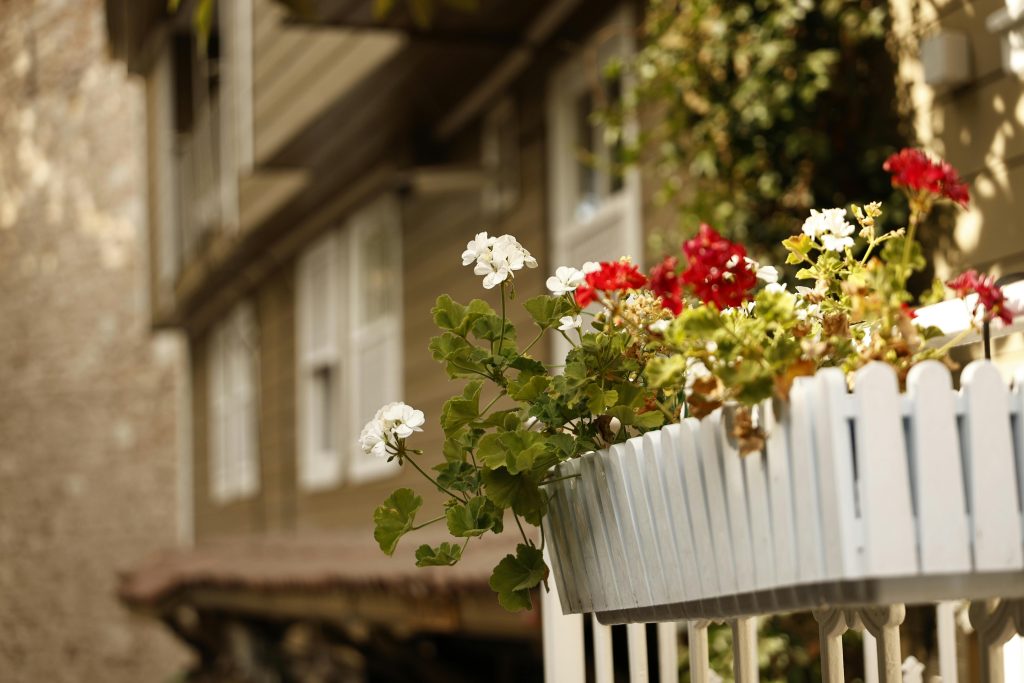
Your small outdoor space deserves more praise than it gets.
You may have been looking at your balcony for months, thinking about how lovely it would look with some trailing plants, fresh herbs, or a bunch of bright flowers. You might have previously tried once or twice, only to see your plants turn yellow, wilt, or drown in wet soil. Or maybe you’re beginning from scratch and don’t know where to start.
No matter what brought you here, I want you to know that you don’t need a big backyard to have a beautiful, healthy garden. Even a small balcony can be one of the most quiet, productive, and beautiful places in your life. You only need to get the basics correct.
And by “basics,” I mean three things that most new balcony gardeners forget about: the soil mix, how to drain it, and how to style it. Once you have these three elements in place, everything else—planting, growing, and harvesting—will naturally follow.
Let’s go through each one together.
The Difference Between Gardening on a Balcony and Gardening on the Ground
Before we get into the specifics, it’s important to know why balcony gardening has its own set of guidelines. When you plant anything in a traditional garden bed, the roots have room to spread out, water can get deep into the ground, and the soil ecosystem does a lot of the work for you.
Everything is in one place on a balcony. Your plants grow in pots, planters, window boxes, and raised beds. This situation means they rely on you for food, water, and space. The ground dries out rapidly. There are fewer places for water to go. A lot of the time, there is more wind. Weight is an important consideration because your balcony has a limited weight capacity, and moist earth is quite heavy.
None of these issues are insurmountable. They only suggest you need to be extra careful about how you put things up. And to be honest, that level of planning is what makes balcony gardening so satisfying. Every choice you make has a clear effect.
Part One: How to Make the Right Soil Mix
Why regular garden soil won’t work
Most newbies make the same mistake: they take dirt from the yard (or buy the cheapest bag at the hardware store) and throw it into a pot. It makes sense. Soil is just dirt, right?
Not exactly.
Regular garden soil, like the kind you’d find in a flower bed or vegetable patch, is heavy, thick, and meant to cooperate with other parts of the ecosystem. Garden soil instantly compacts when placed in a container. The water either pools on the surface or goes straight through without being absorbed adequately. Roots die. Nutrients get washed away. And soon, your plant is having a hard time living in what is basically a brick of damp clay.
For container gardening, you need a growing medium that is lighter, fluffier, and drains better. That’s where potting mix comes in.
What Makes a Good Potting Mix?
A good potting mix is made to do three things at once:
Keep water in the soil long enough for the roots to drink.
Get rid of extra water so the roots don’t sit in wet soil.
Let air flow so that the roots can breathe.
The best potting mixes get the right balance by using a blend of different ingredients.
Most blends start with peat moss or coco coir. For decades, peat moss has been the standard because it is light, holds water effectively, and makes things fluffy. Peat, on the other hand, is taken from bogs, which isn’t the best choice for the environment. That’s why many gardeners are converting to coco coir, which is manufactured from coconut husks. It works the same way as peat, may be used again, and has a smaller impact on the environment compared to traditional peat-based products, making it a more sustainable option for gardeners.
Those little white pebbles you find in potting mix are called perlite. They are really volcanic glass that has been heated until it pops like popcorn. Perlite makes air pockets in the soil, helps it drain better, and stops it from being too brittle. Perlite is one of the most critical ingredients to include in every container mix.
Vermiculite is like perlite, but it holds on to more water. It’s good for plants that prefer to stay damp, but you don’t want to give them too much water on a balcony, where they often get it.
Compost or worm castings add organic materials and nutrients that are released slowly. They feed your plants without having to use only synthetic fertilizers.
A few pieces of coarse sand or fine bark chips can also help with drainage and structure.
A Simple Recipe for Making Your Own Potting Mix
Here’s a good all-purpose recipe that works for most balcony plants if you want to make your own:
two parts coco coir or peat moss
1 part perlite
1 part worm castings or compost
A little amount of vermiculite (optional)
Put it all in a big bucket or tub, add a little water (dry peat and coir don’t like water at first), and you’re ready to start.
Add more perlite and some gritty sand to the mix for cacti and succulents. Add more coir and vermiculite to the soil for plants that appreciate wetness, like ferns. You can make your own blend that is perfect for what you’re growing.
A Word About Weight
Do you remember what I mentioned about how much weight a balcony can hold? Soil is heavy, especially when it’s damp. The weight adds up quickly if you have a lot of pots or big planters. Lightweight potting mixes with a lot of perlite and coir are what you need here. Stay away from mixes that are heavy on gravel or that are meant for landscaping at ground level. Both your back and your balcony will benefit from this choice.
When You Should Change Your Soil
Potting mix doesn’t last forever. As time goes on, organic matter breaks down, the mix gets denser, nutrients run out, and drainage gets worse. In general, you should refresh or replace your potting mix every 12 to 18 months. You may keep things going by adding compost to the top or feeding them liquid fertilizer between refills.
Part Two: Drainage—The Quiet Factor That Can Make or Break
Poor drainage is the number one issue that kills container plants. People often blame overwatering, but the underlying problem is frequently water that doesn’t have anywhere to go. Roots decay when they are under standing water. And root rot kills most plants.
There is no room for negotiation on good drainage. That’s it.
What Drainage Holes Do
All balcony pots should have drainage holes. This is the most important and basic rule for container gardening. If there are no drainage holes, extra water builds up in the bottom of the pot, making it a swampy place that roots can’t live in.
If you fall in love with a beautiful ceramic pot that doesn’t have holes, you can either drill holes yourself (a masonry bit works on most ceramics and terracotta) or use it as a decorative cachepot. To do so, put a smaller pot with drainage holes inside the larger pot and take it out to water it.
The Argument Over the Drainage Layer
For a long time, gardeners were encouraged to put a layer of rocks or gravel at the bottom of their pots before putting in soil. The reasoning seemed to make sense: rocks make room for water to flow away from roots.
But here’s the thing: science has mostly proven this method wrong. A “perched water table” is what really happens. Water doesn’t move readily from rocks, which have a coarse texture, to soil, which has a fine texture. Water doesn’t drain away; instead, it builds up right at the edge of the soil and gravel, which is often where your plant’s roots are.
A better way? Don’t use rocks; instead, fill the whole pot with potting mix that drains nicely. Put a small piece of mesh screen, a coffee filter, or a piece of broken pottery over the holes to keep soil from washing out through the drainage holes. This lets water flow out easily while keeping dirt in.
Trays and Saucers
Most people who plant on their balconies put saucers or trays under their pots to capture water that runs off and keep the balcony surface safe. That’s good and makes sense. Your neighbor downstairs doesn’t want unclean water dripping on their space.
But here’s the most important thing: don’t let your pots sit in water. Check your saucers after you water them. If there is water pooling, drain it out after 20 to 30 minutes. Some gardeners use pot feet, small stones, or pieces of wood to raise their pots a little bit. This lets air flow under the container and keeps the drainage holes from getting wet.
Self-Watering Pots: The Best Thing for a Gardener on a Balcony
Self-watering pots can change the game if you travel a lot, forget to water your plants, or live in a scorching place. These pots have a reservoir at the bottom that lets the plant pull moisture up through capillary action.
The best thing about self-watering pots is that they keep the soil moist without making it too wet. The soil stays uniformly moist, neither too wet nor too dry. They’re ideal for herbs, leafy greens, and flowering annuals that want to stay hydrated.
You may buy these in stores or make your own with a standard pot and a plastic water bottle or reservoir insert. There are many guides online, and putting them together is surprisingly easy.
Signs that your drainage isn’t working properly
How can you tell if your drainage system isn’t working? These are some things to look out for:
Yellowing leaves on the bottom are generally a sign of root rot from wet soil.
The earth smells musty or foul.
Water that stays on the surface for a long time after watering instead of soaking in.
Mold or fungus growing on the surface of the earth.
A pot that is always heavy and never seems to dry out between waterings.
It’s time to think again if you see any of these. Put the plant in a new, well-draining mix, check for and remove any rotting roots, and make sure the drainage holes in the pot are clean and working.
Part Three: How to Style Your Balcony Garden
Now comes the fun part.
Once you’ve figured out the practical things, like the perfect soil and drainage, you can start making your balcony garden look and feel like a place you really want to be. Personality comes into play when you style. It’s where your balcony stops being a bunch of random pots and starts to seem like a real part of your home.
Have a Vision
Before you buy any planters, think about how you want your balcony to feel. If you have to, close your eyes. Do you envision a lush, jungle-like place to relax? A herb garden that is simple and clean? A Mediterranean terrace with lavender and terracotta? A lovely place to read with plants growing all around it?
Your vision doesn’t have to be big or cost a lot of money. It simply needs to point you in the right path. If you have a basic idea of what you want your plants to look like, you can avoid the typical problem of “random plant accumulation,” where you wind up with a collection that doesn’t feel like it belongs together.
Pick your containers carefully.
Your balcony garden’s furnishings are the containers. They set the mood more than the plants did.
Terracotta is a classic choice because it is warm, earthy, and lets air through. It’s perfect for plants that like their soil to dry out between waterings, like herbs and succulents, because the walls are porous and let moisture escape. The awful thing? Terracotta pots are heavy and can break if exposed to extremely cold temperatures.
Ceramic and glazed pots come in more colors and hold moisture better than terracotta pots. But they are heavier, so if you’re going big, think about weight constraints.
Plastic pots have a terrible name, but newer ones are much better. They are cheap, light (which is ideal for balconies), and come in styles that look like stone, concrete, or ceramic. There’s no shame in using plastic if you’re on a tight budget.
Fabric grow bags are becoming more and more popular, and for good reason. They come in several sizes, are very light, let roots prune themselves well in the air, and can be stored flat. They don’t look the best, but they function great in casual or rustic settings.
Wooden crates and containers that have been used for something else, such as old wine boxes, tin cans, colanders, or even boots, can give a room a unique look. Just make sure there are openings for water to drain and that the paint or finish is safe.
To keep everything looking good, try to use no more than two or three colors or materials for your containers. A balcony with terracotta pots of varying sizes that all match will always look more planned than one with a bunch of random containers that don’t match.
Change the height and layers.
When making a balcony garden, don’t put everything at the same level. This makes everything look flat and one-dimensional, and it wastes space.
Think in terms of height.
You can hang trailing plants like pothos, string of pearls, or trailing petunias from the railing, hooks in the ceiling, or brackets on the wall. These make things move and feel softer, which makes the eye go up and out.
To make different levels, use shelves or plant stands. With a tiered plant stand, you can make three or four little pots look wonderful. A simple stool or an overturned crate can raise a pot and give it more depth.
You can make a vertical garden by utilizing pocket planters, a trellis with climbing plants, or a pallet planter that hangs on the wall. Vertical gardens are ideal for small balconies because they add plants without taking up floor space.
Put pots on the rungs of a wooden ladder that is leaning against the wall. It’s an easy trick that looks great and makes things look like they’re falling.
The idea is to make a landscape with plants at several heights: on the floor, at waist level, at eye level, and over your head. When you use more than one plant, even a small balcony feels lush and immersive.
Choose plants that look good together and work well together.
Not all plants do well on all balconies. Think about your conditions before choosing plants based only on how they look:
How much sunlight does your balcony get? Balconies that face south get full sun, whereas balconies that face north are mostly in the shade. East and west are in the middle.
How much wind is there? It can be surprisingly windy on high-floor balconies. Pick plants that are strong and small instead of ones that are weak and tall.
What kind of weather do you have? In chilly places, tropical plants won’t be able to live outside in the winter. Be honest about what your surroundings can handle.
Once you know what your conditions are, pick a blend of:
Thrillers are tall, eye-catching plants that draw the eye. Examples include decorative grasses, miniature dwarf trees, and tall herbs like rosemary.
Fillers are bushy, medium-sized plants that make things look fuller. Examples are geraniums, basil, marigolds, and small ferns.
Spillers are plants that hang down from pots and railings, such as ivy, creeping thyme, and trailing nasturtiums.
This thriller-filler-spiller method works in both big containers and all over your balcony. It makes things look full, rhythmic, and different.
Also think about the different kinds of leaves. Combine leaves with varied forms, textures, and colors of green. A row of the same plants is not as interesting to look at as a mix of broad-leaved plants, fluffy ferns, and spiky grasses.
Include things that aren’t plants.
A balcony garden with style isn’t just about the plants. It’s about making the mood.
After dusk, lighting changes a balcony. String lights, solar lanterns, or LED candles can make your garden warmer and usable at night. Sitting among your plants in soft light is like enchantment.
Textiles like an outdoor rug, cushions that can handle the weather, or a draped throw provide color and comfort. They show that the balcony is a place to live, not merely grow.
A bistro table and chair, a folding seat, or even a floor cushion are all small pieces of furniture that make you want to sit down and appreciate the area you’ve made. If you never sit on your balcony garden, you’re missing out.
You may make your garden feel like your own by adding decorative touches like a tiny water feature, a piece of wall art, a mirror (to reflect light and make the room look bigger), or a collection of intriguing stones.
Accept the Seasons.
It doesn’t have to look the same all year long. One of the best things about gardening, even on a small scale, is seeing how things change with the seasons.
Put pansies, snapdragons, and violas in your pots in the spring. These flowers appreciate chilly temperatures. When summer comes, replace your flowers with ones that like the heat, such as petunias, zinnias, and cherry tomatoes. Chrysanthemums, ornamental kale, and dwarf asters are great for fall. And in the winter, evergreen plants, miniature conifers, and hellebores can help your balcony look less empty.
Changing the plants every season keeps the soil fresh and prevents pests from becoming accustomed to it. Every time the calendar changes, it gives you something to look forward to.
Putting Everything Together
Let’s take a step back for a second.
To build a balcony garden, you need to know three basic things:
The combination of soil you use is the most important part. If you get it right—light, well-draining, and full of nutrients—your plants will have every reason to grow.
The drainage is the safety net. It keeps your plants safe from the number one killer in container gardening, which is overwatering, and keeps your setup healthy over time by preventing root rot and other moisture-related issues.
Styling is the heart. It turns a bunch of pots into a place you love—a retreat, a sanctuary, a little piece of nature in a city full of people.
You don’t need to be rich, an expert, or have a lot of space to do this. I have seen some of the most stunning balcony gardens ever made on narrow apartment ledges with just a few well-chosen pots and a lot of love.
If you have to, start small. One basil pot. A plant that hangs down from the railing. A battered clay planter with many marigolds in it. Check out how it makes you feel. Notice how you spend more time outside, with your morning coffee in hand, watching the light change, and looking for fresh growth.
That’s the genuine magic of having a garden on your balcony. It’s more than just the plants. It’s about the calm, grounded ritual of taking care of a living thing. It’s about reclaiming neglected concrete and turning it into something that nourishes your eyes, kitchen, and soul.
Your balcony has been waiting. Let it bloom.
Have fun gardening.