10 Best Indoor Plants for Low Light
I want to be honest with you. I used to think that plants died in my apartment.
On a good day, my living room gets around two hours of beneficial sunlight. My room? Forget it. There is a small frosted glass in the bathroom that doesn’t let in enough light to view your reflection. And my home office faces north, which, if you know anything about natural light, is like a dungeon for plants.
For years, I told myself I wasn’t a “plant person.” I’d buy something lovely from the garden center and put it on a shelf with the best of intentions. Then I’d watch it slowly turn yellow, droop, and crumble into a crispy tiny ghost of what it used to be. It was annoying. It was sad. And to be honest, it made me feel like a loser.
However, what I ultimately learned—and what I wish someone had informed me earlier—is that it was not my fault. It was the plants I was picking.
Not every plant needs a windowsill that receives a lot of sun to grow. Some people like the shadow better. Some have changed in the gloomy floors of tropical jungles, where direct sunlight is a rare treat. These are the kinds of plants that work well in apartments like mine. And yours, too, most likely.
If you’ve ever thought, “Nothing could possibly survive there,” when looking at a dark area of your house, you’re mistaken. You’re mistaken, yet the beauty is undeniable.
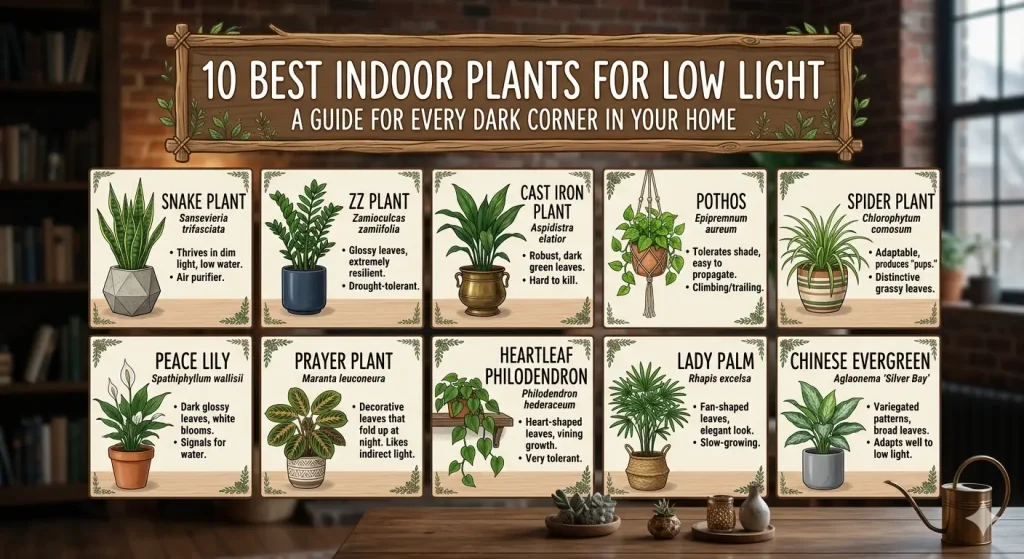
Let’s discuss the 10 finest indoor plants that don’t need a lot of light. These plants will not only live in dark places, but they will also thrive there.
1. Pothos (Epipremnum aureum)
The pothos is the one plant I would suggest to everyone, whether they are new to plants, busy, always overwatering, always underwatering, traveling a lot, or forgetting things exist.
This plant is almost impossible to break. I really mean it. I haven’t taken care of mine in weeks, let the soil dry out totally, and put it on a shelf that doesn’t receive any natural light. It just keeps growing. The trailing tendrils dangle from hooks and shelves, resembling a scene from a fairy tale about plants.
There are different kinds of pothos. The original golden pothos features green leaves that are formed like hearts and have gold streaks on them. There are also the jade pothos (solid deep green), the neon pothos (a bright, almost electric chartreuse), and the marble queen (white and green). The darker green types usually do better in low light because they have more chlorophyll to contend with. The more colorful kinds might lose part of their patterning in very low light, but they will still live.
When the top inch of soil seems dry, water it. Root rot is the only thing that can kill a pothos; therefore, don’t let it sit in wet soil. If not, simply leave it alone and allow it to carry out its natural processes. It’s effortless to take care of.
2. Snake Plant (Sansevieria trifasciata)
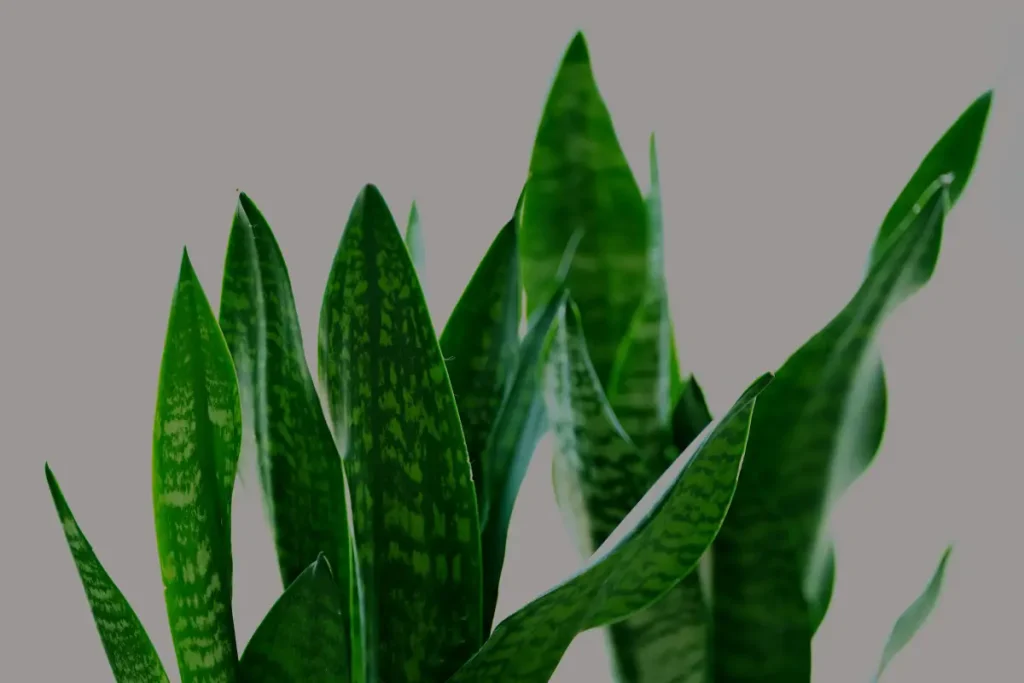
The snake plant, which is also lovingly called “mother-in-law’s tongue” (you can figure out what that means), is another great plant for low light.
The snake plant has tall, straight, sword-like leaves that are green, gray-green, or even deep emerald with golden edges. It is both beautiful and easy to care for. It looks like a modern sculpture, almost like a living piece of art. Putting it in a corner, next to a couch, or lining up a few along a corridor will quickly make the room feel more alive.
The snake plant is particularly remarkable due to its ability to thrive under a wide range of conditions, including low light and irregular watering, making it an ideal choice for various indoor environments. Not much light? Okay. Bright light? That’s fine too. Forgot to water it for three weeks? It won’t even notice. It’s a succulent at heart, which means it doesn’t need to be watered much because its thick leaves hold water.
I have one in my windowless bathroom that has worked well for over two years. Two years! It is located in a room that receives no natural light! Every couple of weeks, I do take it out into a brighter place for a day or two to give it a little push. But honestly, it appears content in its dark, damp nook.
Care tips: Water it every 2–3 weeks in the growing season and less in winter. Check to see if the pot has drainage. The only sure way to kill this plant is by giving it too much water.
3. ZZ Plant (Zamioculcas zamiifolia)
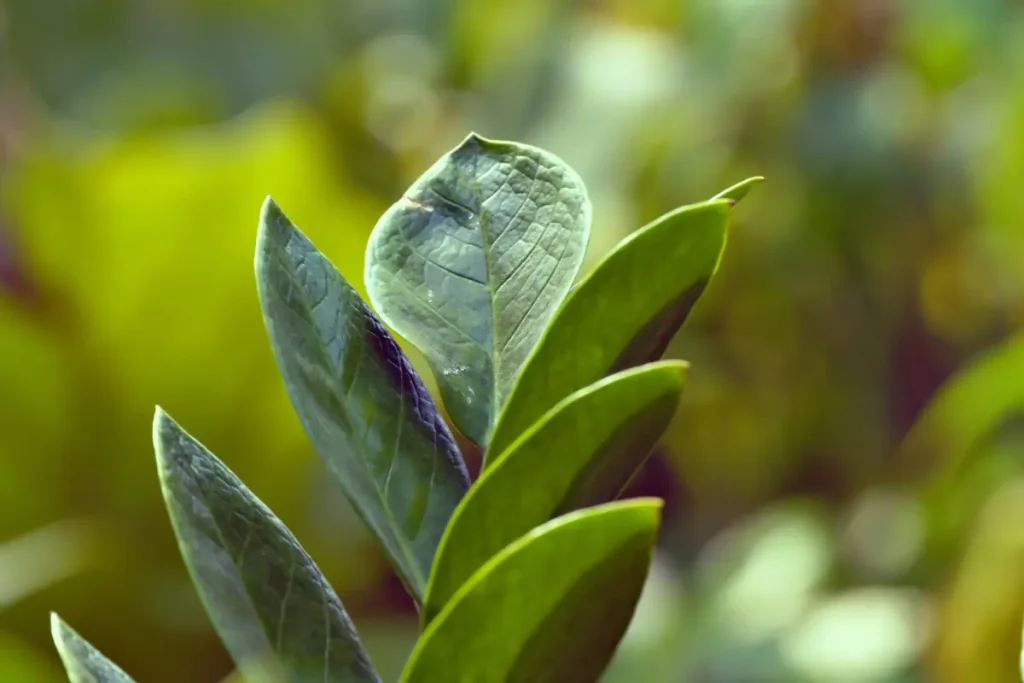
The ZZ plant is the intriguing and cool one. It has a smooth, polished look that works in practically any environment. Its dark green leaves are shiny and look almost false (in a good way).
But its beauty is only one reason people like it. The ZZ plant really deserves to be on this list because it does so well in low-light conditions. It comes from Eastern Africa, where it grows in dry grasslands and woods. This characteristic means it can handle times of low light and drought. It contains strong rhizomes (underground stems) that hold water, so it may spend weeks without being irrigated.
About three years ago, I bought my first ZZ plant and put it on a shelf in my workplace. It doesn’t receive much direct sunlight—only the light from overhead lights and what comes in through a window a few feet away. But it has grown several additional stems. Like an immature green fiddlehead, each new stem slowly unfurls, and it’s really one of the most delightful things to witness.
The Raven ZZ is another beautiful cultivar with leaves that start out brilliant green and slowly turn a deep, almost black purple. It’s beautiful, dramatic, and just as easy to care for as the original.
Water only when the soil is fully dry. This plant would prefer to be left alone than have people worry about it. It’s excellent for folks who forget to water their plants.
4. Peace Lily (Spathiphyllum)
The peace lily is the best choice if you want something that really blooms in low light.
Most flowering plants need bright, direct sunlight to flourish. The peace lily? It will bloom in low, indirect light that would make other plants unhappy. The spathes, which are the white, hood-shaped flowers, are lovely and simple. They rise above the glossy dark green leaves like small white flags of surrender—or peace, which is why they are called that.
The peace lily is noted for more than just its beauty; it also cleans the air. It was one of the finest plants at filtering interior toxins like formaldehyde, benzene, and trichloroethylene, according to NASA’s famous Clean Air Study. It’s debatable if a single potted plant can really clear the air in your living room, but it’s a good thought to have.
You should realize that peace lilies are really dramatic. They will wilt badly if they don’t get enough water. The whole plant will droop as if it is giving up. Don’t worry, though; just give it a drink, and in a few hours it will be back to normal. It feels like living with an occasional green drama queen, and it’s adorable.
Keep the soil moist but not too wet. A bathroom or kitchen is a suitable place for them because they appreciate humidity. It’s also okay to mist the foliage every now and again.
5. Cast Iron Plant (Aspidistra elatior)
There is a reason why this plant has that name. It’s as strong as cast iron.
The Victorians loved the cast iron plant and kept it in their dark, drafty parlors, which were spaces that were typically poorly lighted and had temperature changes. The cast iron plant can thrive in your flat just as it did in a Victorian-era London home that had gas lights and poor heating.
The long, wide, dark green leaves grow in tall clusters that make the plant look like it’s from the tropics. It grows slowly, which may frustrate you, but it won’t outgrow its spot for a while. Some of these plants have cream or white stripes; however, they usually need more light to keep their color.
If you are concerned about your ability to maintain plant life, I recommend this species. This plant can tolerate poor light, irregular watering, dust, temperature fluctuations, and neglect. I mean that as the utmost compliment: it’s the cockroach of the plant world.
When the soil feels dry, water it. Don’t let it get too much direct sunlight, which can burn its leaves. To keep the leaves clean and assist the plant photosynthesize better, wipe them down with a moist towel every now and again.
6. Philodendron (Heartleaf Philodendron)
The heartleaf philodendron is just as beautiful as the pothos. People sometimes mistake it for pothos because it has heart-shaped, deep green leaves and grows in a way that makes it look like it is trailing. The maintenance needs are practically the same.
The heartleaf philodendron is excellent since it can be used in so many ways. You can let it hang down from a high shelf, teach it to climb a moss pole, or keep it bushy in a pot on the table by pinching back the vines. It grows swiftly in moderate light, but it also does quite well in low light.
My philodendron is on top of my kitchen cupboards, where it doesn’t receive much light but does receive a lot of heat from cooking. The vines are so long that they hang down from the tops of the cabinets like a garland. It is one of my favorite features of the kitchen, and it often draws the attention of visitors.
Advice: Water when the top inch of soil is dry. It can handle not getting enough water better than getting too much. If the leaves turn yellow, it’s probably because you’re watering it too much. If the growth is pale or leggy, it might need more light.
7. Chinese Evergreen (Aglaonema)
I really don’t know why the Chinese evergreen doesn’t receive more love. It’s one of the most undervalued houseplants.
The Chinese evergreen comes in a wide range of hues and patterns, from solid dark green to silvery-green, pink, red, and even speckled types. It adds a lot of visual appeal to any area. The conventional green and silver versions are fine in low light, but the more colorful ones, like the “Siam Aurora” with its pink-red edges, do enjoy slightly more light.
Throughout Asia, people have cultivated these plants for hundreds of years, believing they bring good luck and wealth. If you don’t believe in plant-based luck, you should know that owning a plant of this type is definitely lucky.
Chinese evergreens are also relatively small, making them suitable for desks, side tables, and other areas where you prefer not to have a plant that dominates the space.
Water the plants when the top few inches of soil are dry. They like humidity, so think about putting the pot on a tray of pebbles with water or keeping it in a room that is naturally humid. Don’t let cold drafts in; they don’t like sudden swings in temperature.
8. Dracaena
There are many kinds of Dracaena, and they all do well in low light. The Dracaena marginata (dragon tree), Dracaena fragrans (corn plant), and Dracaena “Janet Craig” are all excellent plants for spaces that aren’t very bright.
I love how dracaenas look because of their structure. Some types can grow to be six feet tall or more, which gives you that “indoor tree” sense without needing a bright room. The dragon tree has thin, spiky leaves and a thin trunk that remind me of Dr. Seuss. I think it’s adorable.
But be careful: dracaenas can be sensitive to fluoride and other toxins in tap water, which can make the ends of their leaves turn brown. If you see these symptoms, consider drinking filtered or distilled water instead. It’s a tiny problem, but once you know about it, it’s easy to deal with.
When the top half of the soil is dry, water it. They can handle being underwatered better than being overwatered. Don’t let them get too much sun, because it can bleach their leaves. Dracaenas are bad for pets, so keep them away.
9. Parlor Palm (Chamaedorea elegans)
Do you want to add some tropical vacation vibes to your dark apartment? The parlor palm is here for you.
This pretty tiny palm has been a favorite houseplant since the Victorian era (those Victorians really understood how to pick plants that didn’t need a lot of light, didn’t they?). The smooth, arching fronds give an area a warm, rich impression right away. Furthermore, it doesn’t need a lot of light to appear its finest, like many other palms do.
Parlor palms grow slowly and usually reach a height of three to four feet inside. They don’t need a lot of care, and they provide any room a relaxed, tropical feel. I have a parlor palm in my bedroom, and each morning, as I awaken and observe the gentle green leaves, it transforms the space into a more inviting retreat rather than merely a place for rest.
Care tips: Keep the soil lightly moist but not soggy. They like dampness, so it’s nice to mist them every now and then. Don’t put them near heating vents or in places where the air is dry. Brown tips on leaves usually mean that the air is excessively dry.
10. Spider Plant (Chlorophytum comosum)
I can guess what you’re thinking. “Spider plants? Really? That’s so basic.”
But listen to me. For decades, the spider plant has been one of the most popular houseplants in the world. It’s simple to care for, can grow in many places, and is almost impossible to destroy. Plus, it provides you free baby plants.
Yes, one of the best things about spider plants is that they send out long, arching stems with little plantlets called “spiderettes” hanging from the ends. You may cut these off, put them in water or soil, and all of a sudden you have a new plant to keep or give away. It’s a present that keeps on giving.
Spider plants grow wonderfully in light that is low to moderate. They’ll grow quicker and have more offspring under stronger light, but they’ll stay healthy and keep their beautiful, arching shape even in a dark room. The conventional type features green leaves with a white stripe down the middle. There is also a “reverse” type with white edges and a green center.
I have shared spider plant offspring with friends, relatives, coworkers, and anyone else who believes they may struggle to care for a plant. And you know what? All of those small plants are still alive. That’s not luck. The success is due to the spider plant’s remarkable resilience.
Tips for caring: Water when the top inch of soil is dry. They can handle being watered too much or too little, but they like things to be the same. If the tips of the leaves become brown, it’s typically because the water has fluoride in it. Switching to filtered water usually resolves the problem.
A Few Final Thoughts
When it comes to growing plants in low light, it’s not about settling. Just because your apartment doesn’t have floor-to-ceiling windows doesn’t mean you have to settle for dull plants. The plants on this list are all beautiful, very interesting, and very gratifying to grow.
Will they develop a little slower in low light than they would in a room with a lot of sun? Most likely. Will some of them lose some of their color or make fewer flowers? Perhaps. But they will still get bigger. They’ll still provide color, liveliness, and texture to your area. And there is something really rewarding about caring for a living organism in situations that most people would say are impossible.
Here are some general ideas for making low-light plants thrive:
- Don’t give them too much water. This is the most common cause of houseplant death, and it’s especially worse in low light. Plants consume less water when there isn’t as much light since they don’t photosynthesize as quickly. Root rot happens when the soil is wet and dark.
- Get rid of the dirt on the leaves. Dust keeps light from getting through. Every photon matters in low light, so every few weeks, wipe the leaves of your plant with a damp cloth to assist them in soaking up as much light as possible.
- patient. Plants that don’t get much light tend to grow slowly. That’s normal. If you don’t notice fresh growth for a long time, don’t worry. The plant is doing OK as long as it isn’t becoming worse.
- Change the position of your plants. If your low-light spot is particularly dark, you might want to move your plants to a brighter spot for a few days every couple of weeks. Picture it as a spa day for your green buddies.
- Pick the proper pot. Check to see if your pot has holes for drainage. Standing water is hazardous, especially when it’s dark out, because it takes longer for the soil to dry up.
Taking care of plants has really affected how I feel about my home. Those dark nooks that used to seem dead now feel full of life and welcoming. In my dark hallway, a snake plant stands guard. Philodendron vines hang across the cabinets in my shady kitchen. There is a peace lily in my dark bathroom that blooms every few months. It reminds me that lovely things can flourish in the most improbable places.